Spreading hogweed
Boerhavia diffusa L.
Description
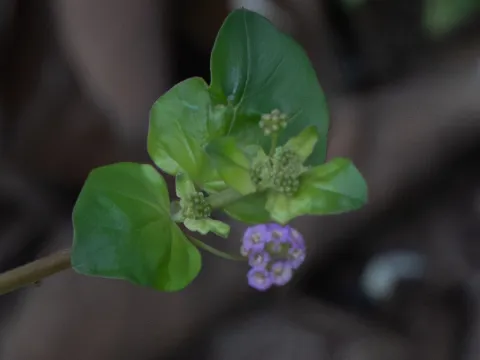
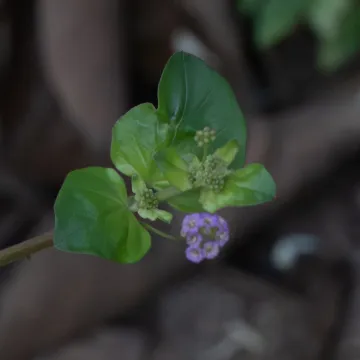
Boerhavia diffusa L., commonly known as spreading hogweed, is a perennial herbaceous plant belonging to the Nyctaginaceae family. It is widely recognized for its medicinal significance and is a staple in various traditional herbal practices. The plant is characterized by its trailing stems and small, pink-to-white flowers that appear in umbel-like clusters.
The plant originates from the tropical and subtropical regions of India and Southeast Asia. Its natural range has expanded to encompass diverse environments across Africa and the Americas. Due to its adaptability, Boerhavia diffusa is increasingly cultivated as a specialized crop in warm climates where soil moisture can be managed throughout the growing season.
Botanically, it features a thick, fleshy taproot which is the primary part utilized for pharmaceutical purposes. The stems are branched and often purple-tinged, spreading along the ground. The leaves are simple, opposite, and vary in shape, often showing white, granular-looking glands on the underside, which is a key identification feature for agronomists.
To cultivate this crop effectively, farmers must provide well-drained, sandy loam soils with adequate organic matter. The plant thrives in full sun but can tolerate partial shade. Proper irrigation management is critical; while the plant is somewhat drought-tolerant once established, consistent moisture levels during the early growth stages significantly improve biomass yield.
- Ensuring correct soil pH levels between 6.0 and 7.5.
- Implementing crop rotation to prevent the buildup of soil-borne pathogens.
- Harvesting roots during the dry season to ensure higher concentration of bioactive compounds.
The main commercial application of Boerhavia diffusa is the production of herbal supplements known for their hepatoprotective and anti-inflammatory properties. Typical plant protection concerns include managing root rot caused by stagnant water and controlling aphid infestations during the humid periods of the year, which necessitates integrated pest management strategies.
Photo gallery