Northern moonwort
Botrychium boreale
Description
Northern moonwort (scientific name Botrychium boreale) is a distinctive perennial fern species belonging to the Ophioglossaceae family. While not a conventional agricultural crop, it remains a significant botanical subject for those studying arctic flora and specialized plant cultivation techniques.
The plant originates from the cold, mountainous, and subarctic regions of the Northern Hemisphere. Its distribution is patchy, often found in meadows, heathlands, and slopes. It thrives in soils that provide specific ecological niches, usually characterized by high moisture content but excellent drainage, avoiding waterlogged conditions.
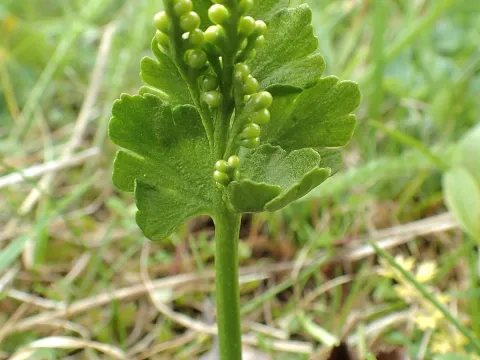
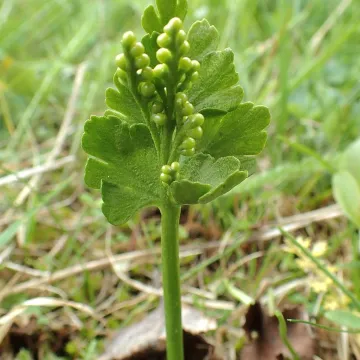
Botanically, Northern moonwort is a small, slow-growing plant that displays a single, divided leaf structure. The fertile part, or spore-bearing segment, appears like a small, branched cluster, which distinguishes it from more common ferns. Its size and cryptic nature make it difficult to locate in the wild.
Agronomic requirements for this species are exceptionally restrictive due to its obligate reliance on mycorrhizal fungi for nutrient uptake. In cultivation trials, success is rare without the presence of these symbiotic fungi, which are sensitive to soil disruption, nutrient levels, and acidity changes.
The economic and practical use of Northern moonwort is largely academic. It serves as a biological indicator of ecosystem health and provides genetic material for research into cold-hardy plant physiology. It is not considered an edible or commercial crop and is often protected under regional conservation laws.
Major limiting factors and threats include:
- Habitat loss due to land conversion and industrial development.
- Sensitivity to high concentrations of nitrogen-based fertilizers.
- Disruption of soil microflora critical for symbiosis.
- Low natural reproduction rates due to climatic constraints.
Photo gallery