Sickle-leaved hare's ear
Bupleurum falcatum L.
Description
Sickle-leaved hare's ear (Bupleurum falcatum L.) is a perennial herbaceous plant belonging to the Apiaceae family. Recognized for its therapeutic properties, it is increasingly cultivated as a specialized crop for the herbal medicine and pharmaceutical industries, specifically for its liver-supporting compounds.
Native to vast regions across Eurasia, the plant naturally occurs in dry meadows, steppes, and rocky hillsides. As a crop, it requires open, sunny locations to thrive, as it competes poorly with weeds during its initial establishment phase, making weed control a critical management factor.
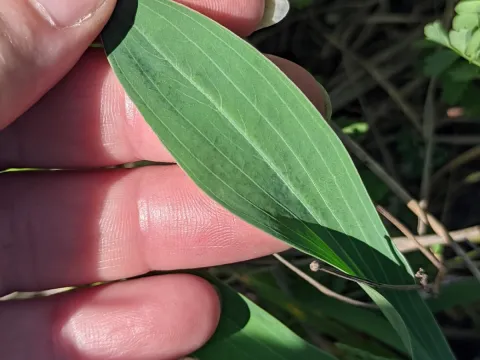
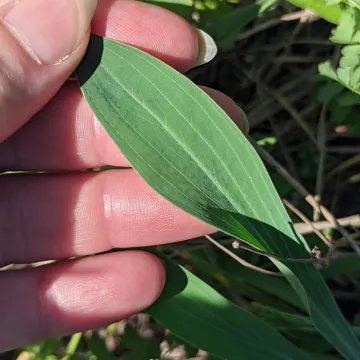
Botanically, it features slender, branching stems and characteristic sickle-shaped leaves. The plant develops a deep taproot, which is the primary part utilized for medicinal purposes. Its morphology reflects an adaptation to dry habitats, characterized by high drought tolerance once the root system is well-established.
The crop performs best in well-drained, light-textured soils with a neutral or slightly alkaline pH. High soil moisture retention or stagnant water must be avoided, as the plant is highly sensitive to root rots caused by waterlogging, which can significantly damage yields and plant health.
- Soil Preparation: Deep cultivation for root development.
- Planting: Seeds should be sown at a shallow depth of 1–2 cm.
- Water Management: Ensure good field drainage to prevent root diseases.
- Harvesting: Roots are typically harvested in the second or third autumn.
Disease and pest management involves monitoring for powdery mildew and aphids, which are the most common issues in commercial fields. By maintaining a clean cultivation environment and optimal plant spacing, producers can minimize the need for synthetic treatments and maintain high-quality chemical profiles for the harvested roots.
Photo gallery