Brazilwood
Caesalpinia echinata Lam.
Description
Brazilwood (Caesalpinia echinata) is a prominent species in the Fabaceae family, globally recognized for its historic and economic importance. Historically identified as the source of deep red dye, this tree is now world-renowned as the premier material for the construction of professional violin bows.
The native habitat of this species is restricted to the Atlantic Forest biome of Brazil. Due to centuries of over-exploitation for dye and timber, the tree has become endangered in the wild. Modern agricultural efforts focus on sustainable cultivation within controlled nurseries and reforestation projects to preserve the genetic diversity of this iconic plant.
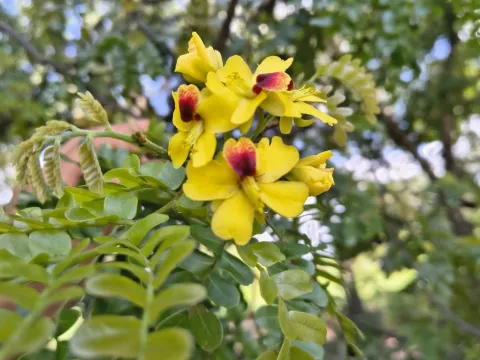
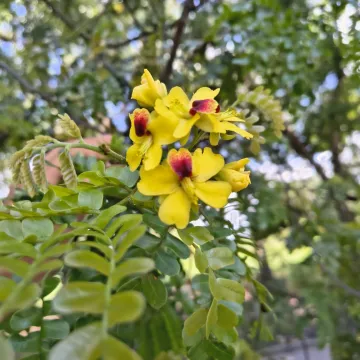
Botanically, it is an evergreen tree characterized by a spiny trunk and branches, which explains the specific epithet 'echinata'. The foliage consists of delicate, bipinnate leaves, and the plant produces beautiful yellow flowers that often exhibit a sweet fragrance. It reaches maturity slowly, demanding patience from foresters and growers.
Cultivation requirements are strict, reflecting the tree's native tropical environment. It thrives in high-humidity climates with significant annual rainfall and prefers well-drained, nutrient-rich soils. While it can tolerate some drought once established, young saplings are highly sensitive to soil compaction and require regular monitoring for pests and diseases.
The main commercial value of Brazilwood, also known as Pernambuco, lies in the heartwood’s physical properties. Its density and elasticity provide acoustic qualities unmatched by any other wood for musical instrument components. Furthermore, the tree is culturally significant, as it is the namesake of the country of Brazil, highlighting its legacy in both ecology and national identity.
- Exceptional physical density and strength.
- Natural resistance to many wood-boring insects.
- Specific soil microflora requirements for healthy growth.
- Legal protections due to its endangered status.
Photo gallery