Mysore thorn
Caesalpinia decapetala (Roth) Alston
Description
Mysore thorn (Caesalpinia decapetala) is a robust, perennial shrub belonging to the Fabaceae family. It is widely recognized for its fast-growing, thorny stems that can create impenetrable barriers, making it a significant plant in both agricultural and decorative contexts.
Originating from Asia, this species has spread throughout tropical and subtropical regions globally. Due to its aggressive growth habit, it is often utilized for large-scale landscaping and land management, though it must be managed carefully to prevent it from becoming invasive in non-native environments.
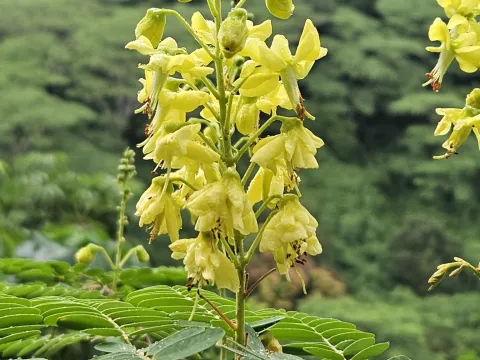
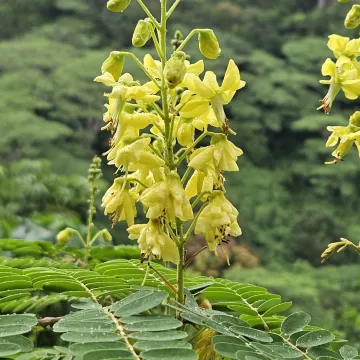
Botanically, the plant features bipinnate leaves and striking yellow flowers arranged in racemes. It produces woody seed pods that house hard, long-lasting seeds. Its root system is deep and expansive, allowing the plant to thrive in various challenging terrains and environments.
The cultivation of Caesalpinia decapetala requires full sun exposure and well-draining soil. While it is highly drought-tolerant once established, young plants benefit from consistent moisture. Regular pruning is essential to manage its size and density, especially when used for agricultural boundary marking.
Key areas of agricultural and industrial utility include:
- Establishment of bio-fences to contain livestock.
- Utilization in soil conservation projects to prevent slope erosion.
- Extraction of tannins from the bark for leather processing.
- Ornamental use for aesthetic appeal in large garden settings.
Common pests include aphids and various leaf-eating larvae which can impact plant vigor if left unchecked. Diseases are relatively rare but can occur under conditions of excessive soil moisture, which may trigger root rot or fungal infections on the leaves and stems.
Photo gallery