
Mountain laurel
Kalmia latifolia L.
Description
Mountain laurel (Kalmia latifolia) is a premier evergreen shrub belonging to the Ericaceae family, widely admired for its stunning cluster flowers. These blooms exhibit intricate, star-shaped patterns and a distinct form that distinguishes them from other shrubs, providing an ornamental display that lasts several weeks in the late spring and early summer.
Native to the eastern United States, the species is typically found in mountainous regions and rocky forest slopes. Its natural habitat dictates its specific environmental needs, favoring cool, acidic soils and areas that provide protection from the intense heat of direct afternoon sun. It is a signature plant in many North American woodland gardens.
Botanically, it is a slow-growing, broad-leaved evergreen shrub that typically reaches 2 to 3 meters in height. The leaves are glossy and leathery, providing year-round structure to the garden. It is important to note that the plant is toxic if ingested, as it contains grayanotoxins, making it unsuitable for areas where pets or children may graze on vegetation.
Successful cultivation requires meticulous attention to soil chemistry. Mountain laurel thrives in acidic, well-draining, and organic-rich soil. It is notoriously intolerant of "wet feet," so planting on raised beds or well-drained slopes is highly recommended. Regular mulching is essential to keep the root system cool and to suppress weed competition while maintaining soil acidity.
- Watering: Consistent moisture is required, especially during dry spells.
- Mulch: Apply pine bark or acidic compost to retain moisture.
- Fertilization: Use only fertilizers formulated for acid-loving plants.
- Pruning: Light maintenance pruning after flowering to maintain shape.
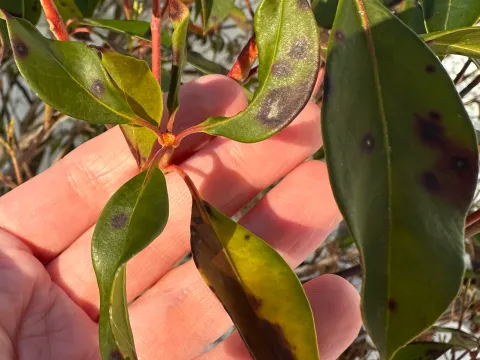
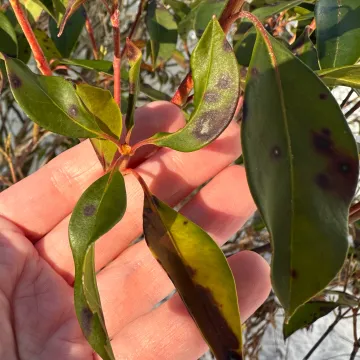
Pests and diseases, such as leaf spot, lace bugs, and fungal pathogens, can affect the plant if site conditions are not ideal. Maintenance focuses on monitoring for moisture stress and preventing waterlogging. As an ornamental crop, it is highly valued for naturalizing landscapes and creating high-quality garden foundations where the soil pH can be tightly controlled.
Photo gallery