Brazilian Beautyleaf
Calophyllum brasiliense Cambess.
Description
Brazilian Beautyleaf (Calophyllum brasiliense Cambess.) is a prominent evergreen tree species belonging to the Clusiaceae family. Known for its symmetrical growth and dense foliage, this tree is highly regarded in tropical regions for its economic and ecological contributions to forest management.
The species is native to the tropical landscapes of Central and South America, extending from Mexico to Southern Brazil. It thrives in humid tropical environments, often colonizing riparian zones, floodplains, and lowland forests where soil moisture remains consistently high throughout the year.
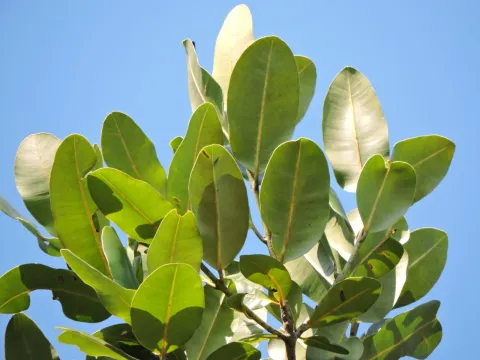
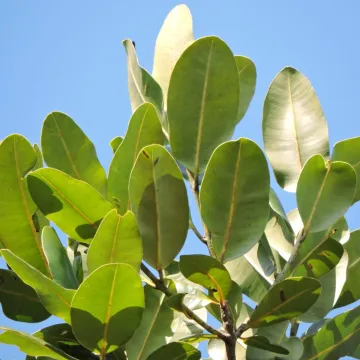
Botanically, the tree is distinguished by its dark, leathery leaves and the presence of a yellowish, sticky latex within its bark tissues. It produces fragrant white flowers followed by small, globose drupes. The tree is recognized for its straight bole and sturdy structure, which allows it to reach heights of up to 40 meters in optimal conditions.
Agricultural requirements for Calophyllum brasiliense focus on maintaining adequate soil moisture and ensuring a frost-free climate. It performs best on deep, well-drained soils, though it shows notable plasticity regarding soil composition. Successful silvicultural practices involve shading young seedlings during their early establishment phase to mimic the natural forest understory.
The primary economic application of the species is in the timber industry. Its wood is highly valued for construction, marine applications, and furniture due to its durability, moderate density, and resistance to environmental degradation. Beyond timber, the tree is extensively used in reforestation programs, providing essential habitat for wildlife and protecting watersheds from erosion.
Typical issues faced by growers include susceptibility to fungal pathogens in high-humidity nursery conditions and damage from leaf-feeding insects. Maintaining biodiversity within plantation plots and ensuring proper site selection are the most effective management strategies to mitigate these risks and ensure the health of the stands.
Photo gallery