Wedge-leaf Burr-daisy
Calotis cuneata
Description
Wedge-leaf Burr-daisy (Calotis cuneata) is a perennial herbaceous plant belonging to the Asteraceae family. This species is a notable component of Australian biodiversity, recognized for its specialized adaptation to harsh environments and its role in maintaining ecological balance in specific arid and semi-arid landscapes.
The plant originates from the Australian continent, where it is distributed across various ecological zones. Its natural habitat includes open grasslands and woodland clearings where the species has developed specific mechanisms to cope with extreme heat and low precipitation levels throughout the growing season.
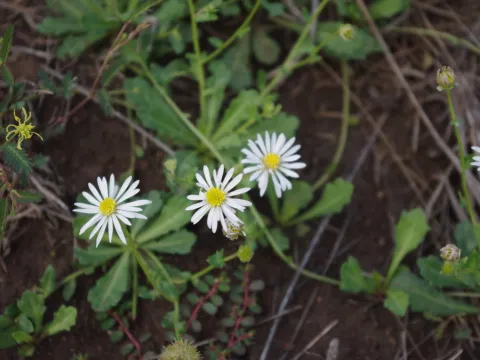
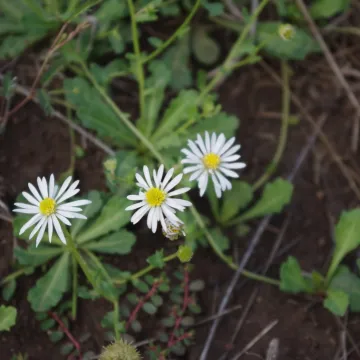
Botanically, Calotis cuneata is characterized by its distinctively wedge-shaped leaves and daisy-like flower heads. The plant often features bristly achenes, which are an evolutionary strategy to ensure successful seed dispersal by attaching to animals or being carried by wind, allowing the species to colonize new areas effectively.
When considering agronomic requirements, the plant demands well-draining soil and a position with full sun exposure. It is highly efficient in nutrient-poor substrates, making it a low-maintenance species for reclamation projects. Regular monitoring for soil drainage is essential, as the species is highly susceptible to root rot if waterlogged.
- Superior drought tolerance.
- Low maintenance requirements.
- Well-drained soil preference.
- Resistant to typical arid-zone pests.
In terms of хозяйственное использование (economic use), the Wedge-leaf Burr-daisy is primarily utilized in sustainable landscape management and erosion control. Its role as a native pioneer species makes it highly valuable for land rehabilitation efforts, offering a reliable option for managers looking to restore biodiversity in degraded areas.
Photo gallery