
Description
Camu-camu (Myrciaria dubia) is a bushy, evergreen shrub or small tree belonging to the Myrtaceae family. It is globally recognized as a significant agricultural crop due to the exceptional health benefits of its berries, which possess one of the highest concentrations of natural vitamin C found in the plant kingdom.
Native to the Amazon rainforest, the plant thrives in the riparian zones of Peru, Brazil, and Colombia. Its evolutionary adaptation to floodplains allows the plant to tolerate prolonged periods of inundation, which is a key factor in its natural distribution and habitat preference.
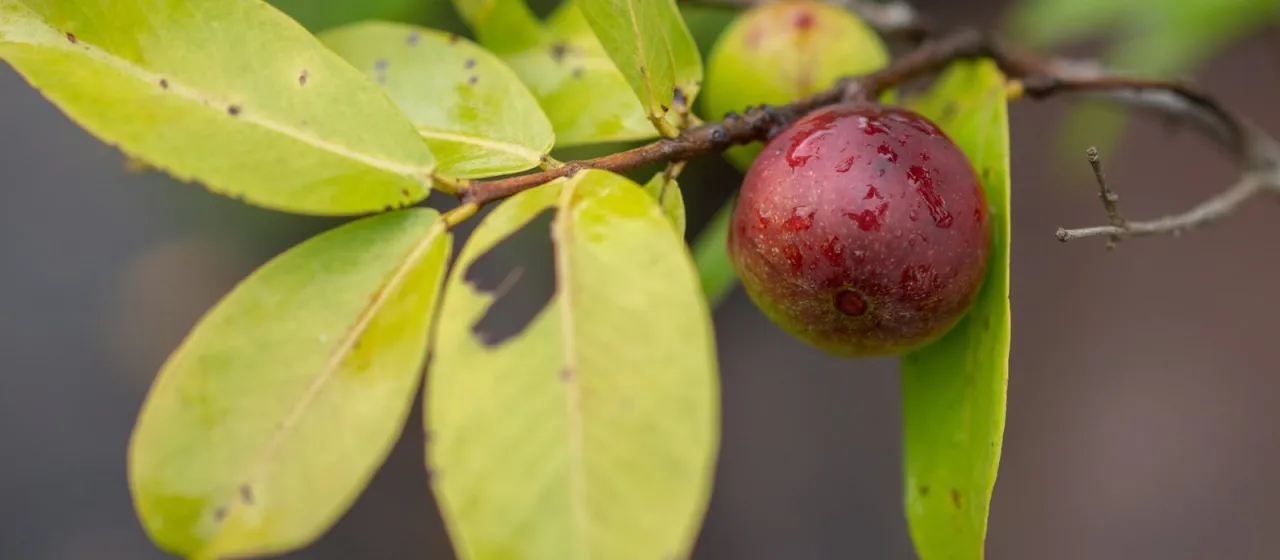
The morphology of the Camu-camu plant includes dense, lanceolate leaves and white, aromatic flowers. The fruit is a small, cherry-like berry that matures from green to a deep red or purple color, containing a highly acidic pulp that is widely utilized in the functional food and beverage industry.
Agricultural success with Camu-camu requires specific environmental parameters, including tropical temperatures and high humidity levels. The soil should be well-structured and nutrient-rich, capable of retaining water. Proper spacing is essential to ensure adequate airflow and sunlight exposure, which are vital for healthy fruit development.
The crop is susceptible to various pests and diseases, such as fruit flies, leaf spot fungi, and scale insects, particularly when grown in high-density plantations. Integrated pest management strategies, including careful sanitation and biological controls, are critical to maintaining productivity and fruit quality.