Dwarf pea shrub
Caragana pygmaea
Description
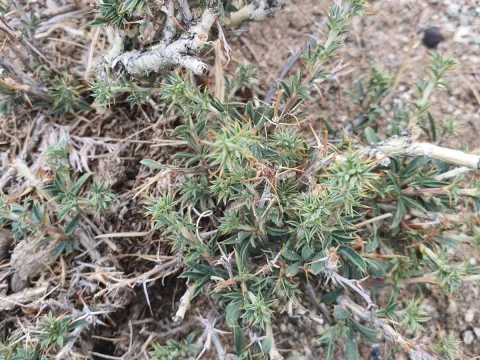
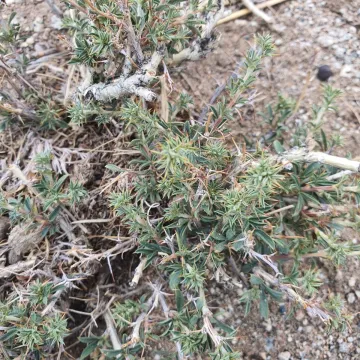
The dwarf pea shrub (Latin: Caragana pygmaea) is a deciduous shrub belonging to the Fabaceae family. Known for its remarkable resilience and compact growth habit, it is highly valued by gardeners for its ability to thrive in challenging conditions where other plants might fail.
The species is native to regions spanning from Central Asia to Siberia and Mongolia. It primarily inhabits rocky outcrops, steppes, and arid mountainous landscapes. Because of its origin, the plant has developed a high tolerance for drought, wind, and temperature fluctuations, making it an excellent choice for low-maintenance landscaping.
Botanically, the plant is characterized by its low stature, rarely exceeding one meter in height. It features finely divided foliage and yellow, pea-like flowers that bloom in late spring. The stems are typically spiny, which provides a natural protective layer against herbivores, contributing to the shrub's longevity in the wild and in cultivation.
The cultivation requirements are straightforward: the plant demands full sun exposure and excellent soil drainage. It is not picky about nutrient levels and can grow well in poor, sandy, or rocky soils. Once established, it requires little to no irrigation, making it a sustainable choice for water-wise gardening or xeriscaping projects.
Primary agricultural and landscape uses include:
- Establishing low-maintenance hedging and ground covers.
- Preventing soil erosion on sloped terrains and banks.
- Serving as an early season nectar source for pollinators.
- Providing structural interest in rock gardens and alpine designs.
Regarding pests and diseases, the dwarf pea shrub is generally robust. However, it can occasionally be susceptible to fungal issues like rust or leaf spots if planted in stagnant, poorly ventilated areas. Aphids can also affect young growth, but they rarely cause significant damage that would warrant widespread chemical treatment, as the plant is naturally quite resilient.
Photo gallery