Cuckoo flower
Cardamine pratensis
Description
Cuckoo flower (Latin: Cardamine pratensis), also known as lady's smock or meadow bittercress, is a perennial herbaceous plant belonging to the Brassicaceae family. While primarily recognized as a wild plant, it has agricultural significance as a nutrient-dense edible green and an ecologically beneficial ground cover in wet field conditions.
Native to temperate regions across the Northern Hemisphere, it is typically found in moist meadows, damp woodlands, and along watercourses. The plant's natural range emphasizes its preference for cool, damp, and nutrient-rich environments, making it an indicator species for wetlands and riparian habitats.
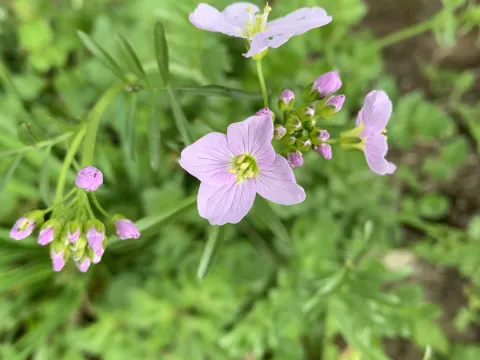
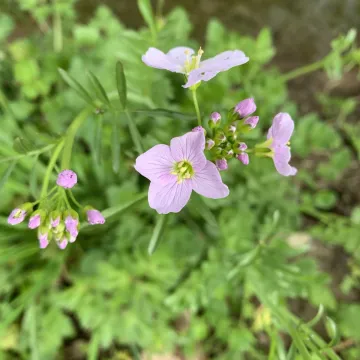
The botanical structure of the plant features a basal rosette of pinnate leaves and an erect flowering stem that reaches up to 50 centimeters. The plant produces delicate lilac or white flowers which are distinctively cross-shaped, typical of its family. A key survival trait is its ability to reproduce vegetatively: leaflets that touch the damp soil can develop roots and generate entirely new clones.
Successful cultivation requires soil that retains moisture throughout the growing season, typically loamy or peat-based soil with a neutral to slightly acidic pH. The plant is sensitive to dehydration; therefore, agricultural management must include consistent irrigation and the avoidance of direct, scorched exposure during peak summer temperatures.
In terms of usage, the leaves have a peppery taste similar to watercress, making them a niche but valuable crop for local food markets. Regarding plant health, producers must monitor for cruciferous flea beetles, which can cause significant damage to the leaf tissue, and ensure proper drainage to prevent root rot caused by stagnant water conditions.
Photo gallery