Caryocar brasiliense
Caryocar brasiliense
Description
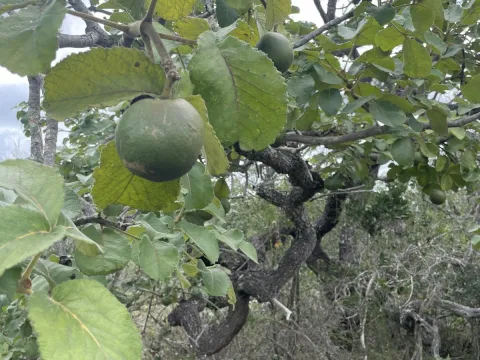
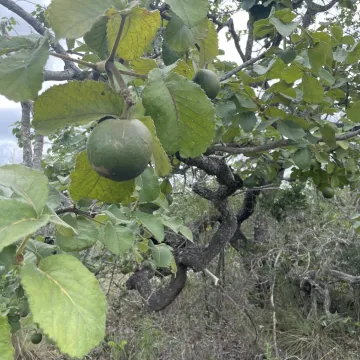
Caryocar brasiliense, commonly known as pequi, is a fruit-bearing tree belonging to the family Caryocaraceae. This plant is a quintessential species of the Cerrado biome, which is a vast tropical savanna region in Brazil characterized by distinct wet and dry seasons.
The origin of this species is central Brazil, where it has been traditionally gathered for centuries. Its range of cultivation is largely restricted to tropical climates. The tree is known for its slow growth rate and can reach heights between 2 to 10 meters, developing a robust and woody structure that is well-adapted to the savanna landscape.
Botanically, Caryocar brasiliense is distinguished by its large, leathery leaves and impressive, pale yellow flowers. These flowers have a specialized pollination mechanism that relies primarily on bats. The fruit is a drupe containing a central pit covered in a nutrient-rich, yellowish oily pulp that is highly prized in regional culinary traditions.
Cultivation requires specific soil conditions, favoring acidic, well-drained soils. The plant is highly intolerant to frost, making it suitable only for warm tropical zones. Successful agronomy depends on maintaining soil fertility and ensuring the plants receive adequate sunlight while protecting them from extreme drought during the early stages of establishment.
The economic value of this crop is significant and continues to grow:
- Extraction of high-quality vegetable oil used in cooking.
- Production of cosmetics, such as moisturizers and hair treatments.
- Usage in traditional medicine for its anti-inflammatory properties.
- Integration into agroforestry systems to prevent soil degradation.
Like many tropical fruit trees, Caryocar brasiliense is susceptible to various diseases, including fungal infections like anthracnose, especially when humidity levels remain high during the fruiting season. Insect pests, particularly Curculionidae (weevils), pose a major challenge for commercial orchards, requiring integrated pest management strategies to secure a profitable harvest.
Photo gallery