Caryocar glabrum
Caryocar glabrum
Description
Caryocar glabrum is a perennial tropical tree species belonging to the Caryocaraceae family. Recognized for its ecological importance and versatile yield, it thrives in the dense, humid rainforests of South America, representing a significant biological resource within its native habitat.
The distribution range of this species is primarily concentrated in the Amazon basin, covering parts of Brazil, Colombia, and the Guianas. As a tropical crop, it is strictly bound to climates characterized by consistently high humidity and warm temperatures, as the species lacks tolerance to frost or extended dry seasons.
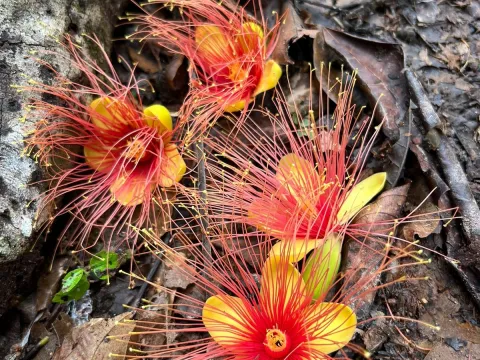
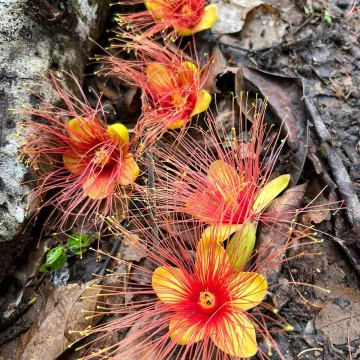
Botanically, the tree is noted for its distinctive compound leaves and prominent, showy flowers that feature a high density of stamens. The fruit is a drupe containing oily seeds, which are highly valued. The plant exhibits a complex life cycle, relying on specialized pollinators, which underscores its importance within its native ecosystem.
Cultivation requirements for Caryocar glabrum include fertile, acidic, and well-drained soils. Because it is highly susceptible to waterlogging, site selection and drainage management are critical for nursery and plantation success. Optimal management practices involve protecting young saplings from extreme heat and maintaining stable moisture levels throughout the year.
Regarding хозяйственное use, the oil extracted from the seeds is a primary product, utilized in both local culinary traditions and the emerging cosmetic industry due to its fatty acid profile. The tree's timber is also highly regarded for its durability and resistance to decay, making it a sustainable choice for heavy construction and boat building in tropical regions.
- High-quality oil extraction from seeds
- Premium durable timber for construction
- Support of local biodiversity and pollination
- Use in traditional and commercial cosmetic products
Photo gallery