Epimedium pinnatum
Epimedium pinnatum Fisch. ex DC.
Description
Epimedium pinnatum is a hardy perennial herbaceous plant belonging to the Berberidaceae family. Widely recognized in horticulture as a species of "barrenwort," it is highly valued for its exceptional shade tolerance and its ability to act as an effective groundcover in landscape architecture.
The plant originates from the mountainous regions of Iran and the Caucasus, where it thrives in forest understory environments. In its native habitat, it adapts to well-drained, humus-rich soil and dappled light conditions. This natural adaptation makes it an excellent choice for modern garden designs that aim to mimic forest-floor ecosystems.
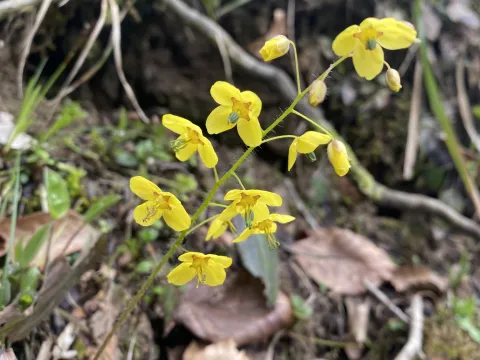
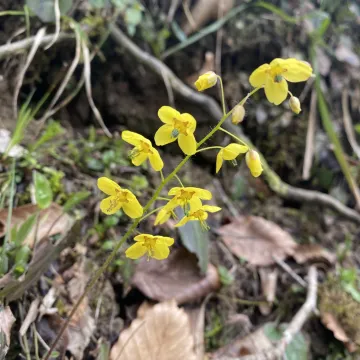
Botanically, this species is characterized by its spreading rhizomes and leathery, evergreen leaves. The foliage is often pinnate, which gives the plant a delicate appearance throughout the growing season. Its most distinctive features are the small, yellow, spider-like flowers that emerge in spring on thin, wiry stems, creating a graceful display above the foliage canopy.
Cultivation of Epimedium pinnatum requires a specific approach to soil management. The plant needs moisture-retentive but well-drained soil, enriched with organic matter. While it is quite hardy, it thrives best when protected from extreme drying winds and direct summer sun. Annual mulching with leaf mold or compost is highly recommended to stimulate root growth and suppress competitive weed species.
The primary utility of this crop includes several distinct areas:
- Landscape design for shady woodland gardens and park borders.
- Groundcover cultivation to stabilize slopes and prevent soil erosion.
- Extraction of flavonoids for botanical supplement production.
Common pest issues are generally limited to slugs and snails that feed on young spring growth. Pathological concerns mainly involve fungal pathogens resulting from waterlogged conditions or poor air circulation. To maintain a healthy stand, it is standard practice to prune old, weathered leaves in late winter before the new growth appears, ensuring the plant remains vigorous and aesthetically pleasing.
Photo gallery