Cayratia trifolia
Cayratia trifolia
Description
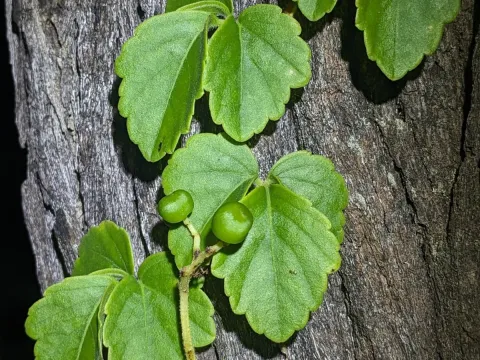
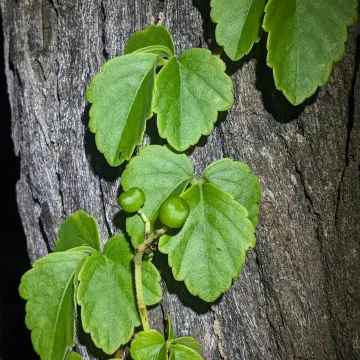
Cayratia trifolia is a perennial climbing vine belonging to the grape family, known as Vitaceae. This plant is native to tropical and subtropical regions of Asia and northern Australia, frequently thriving in forest edges, clearings, and thickets where it can utilize other vegetation as a support structure.
Botanically, the plant is distinguished by its trifoliate leaves and thin, wiry stems equipped with tendrils that facilitate vertical growth. It produces small, greenish-white flowers organized in cymes, followed by small, fleshy berries. These berries typically contain one to four seeds, which are dispersed by birds and small mammals in their natural habitat.
The climatic requirements for this species are centered on heat and consistent moisture. It performs best in tropical conditions with temperatures ranging from 20 to 30 degrees Celsius. Soil requirements include well-draining, nutrient-rich substrates, ideally with a neutral to slightly acidic pH level, to support its rapid vegetative growth.
Cultivation practices involve selecting a location with adequate space for the vine to climb. Providing a sturdy trellis or arbor is essential for structural management. Propagation can be achieved effectively through seed sowing or stem cuttings during the active growing season. Weed control is crucial during the early stages to ensure the plant establishes a strong root system.
The plant holds significant value in ethnobotany, particularly in Indian and Southeast Asian medicine, where it is used as a diuretic and anti-inflammatory agent. While generally robust, the plant is susceptible to common garden pests such as mealybugs and spider mites, especially in low-humidity environments. Disease monitoring should focus on preventing powdery mildew through proper air circulation.
Photo gallery