Cecropia palmata
Cecropia palmata
Description
Cecropia palmata is a fast-growing, evergreen tree belonging to the Urticaceae family. Previously classified under the Cecropiaceae family, this species is well-known as a pioneer plant in tropical ecosystems. It typically colonizes areas that have been cleared or disturbed by fire or deforestation, effectively restoring the forest canopy.
The native distribution of this tree is concentrated in the tropical regions of South America, particularly throughout Brazil and the Amazon basin. It thrives in high-humidity climates with consistently warm temperatures throughout the year. The species is highly photophilous, meaning it requires significant direct sunlight to develop its characteristic structure and reach maturity.
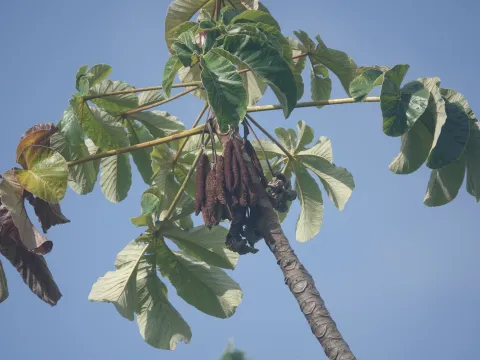
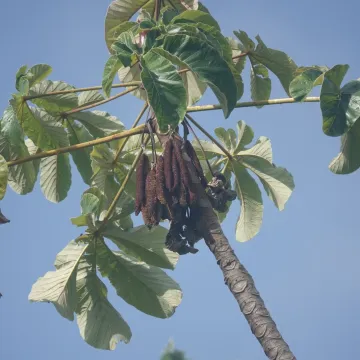
Botanically, Cecropia palmata is recognized by its slender, hollow trunk and distinctive umbrella-like crown. Its leaves are large, palmate, and deeply lobed, which gives the tree its common name. The plant produces small flowers in spike-like clusters, which eventually transform into fleshy fruits consumed by a variety of wildlife, especially birds and bats.
In terms of cultivation, the tree is adaptable but prefers well-drained, nutrient-rich, and slightly acidic soils. It is not drought-tolerant and requires consistent soil moisture to maintain its rapid growth rate. In agricultural or reforestation settings, it is often propagated from seeds, which germinate easily in warm, moist conditions with plenty of light.
The economic and industrial utility of the plant is diverse. The wood is lightweight and commonly used for manufacturing pulp, paper, and low-density timber products. Medicinally, the leaves and bark contain phytochemicals used in traditional and modern remedies as a cardiac tonic and diuretic. Furthermore, its role as a key species in forest regeneration cannot be overstated.
- Exceptional growth rate in early development stages.
- Mutualistic relationships with ants (myrmecophily).
- Significant role in tropical reforestation programs.
- Nutritious fruit source for regional fauna.
The species is susceptible to various pests, including leaf-eating beetles and specialized caterpillars that feed on its large foliage. Fungal infections, particularly root rot, may occur if the soil remains waterlogged for extended periods. Proper nursery management and ensuring adequate air circulation are critical practices to mitigate disease risks in young plantations.
Photo gallery