
Description
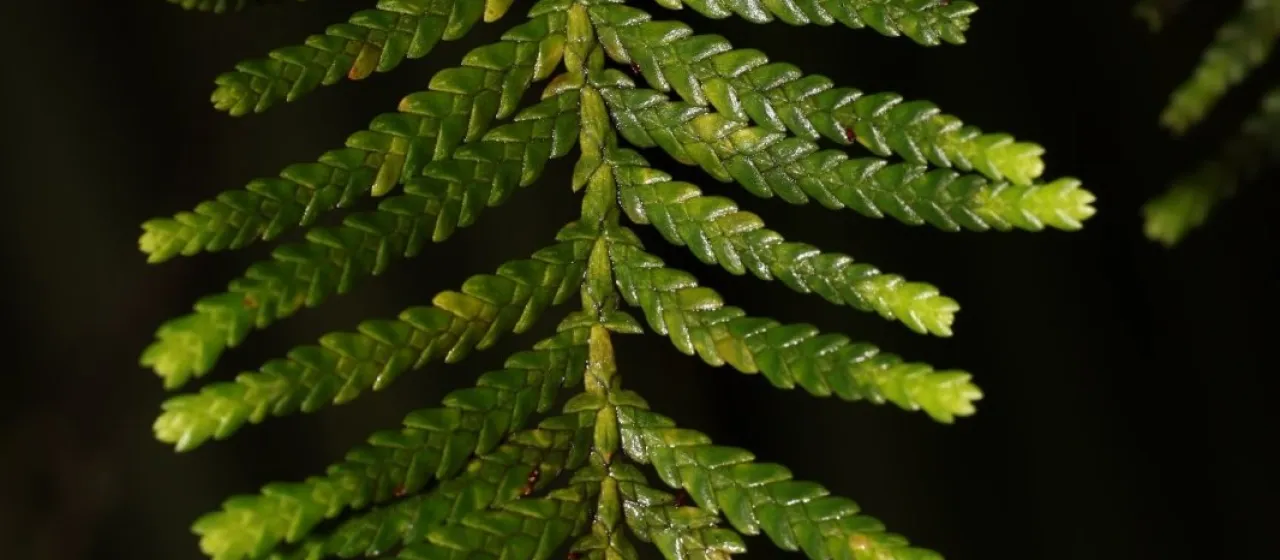
Kawaka (Libocedrus plumosa) is a distinguished coniferous evergreen tree belonging to the Cupressaceae family. Known for its elegant, fern-like foliage, this species is highly regarded in botanical gardens and specialized landscapes for its unique architectural form and graceful appearance.
The native distribution of this tree is limited to New Zealand, specifically throughout the North Island and the northern parts of the South Island. It naturally thrives in lowland forests, often establishing itself in humid, shaded environments where it can compete effectively with other forest vegetation.
Botanically, the species is characterized by its flattened, frond-like branchlets covered in small, scale-like leaves. The wood is traditionally valued for its durability, but in modern agronomy, the focus is placed on the tree's ornamental qualities and its status as a significant representative of the southern hemisphere flora.
Successful cultivation of Libocedrus plumosa requires careful attention to soil quality and microclimate. The plant prefers deep, moist, and well-draining soils with high organic matter content. It thrives in locations that are sheltered from harsh winds, which can cause significant damage to its delicate, spread-out foliage.
- Watering: Maintain consistent moisture levels throughout the growing season.
- Sun exposure: Prefers dappled shade in youth, maturing into full or partial sun.
- Drainage: Avoid heavy waterlogged soils to prevent root asphyxiation.
- Maintenance: Minimal pruning required unless shaping is desired.
Common health issues include fungal pathogens that may attack the root system if the soil remains excessively wet. In drier or poorly managed environments, the tree may become susceptible to pests like mites or scale insects. Providing a balanced growing environment and regular monitoring are essential for maintaining the health and vigor of this majestic conifer.