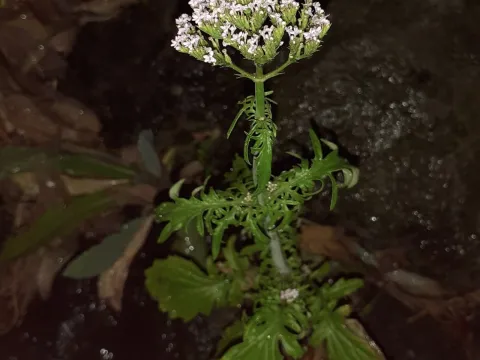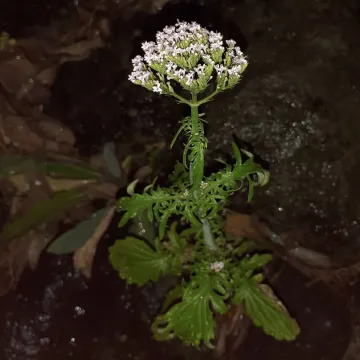
Annual valerian
Centranthus calcitrapae
Description
Centranthus calcitrapae, commonly known as the annual valerian, is a herbaceous flowering plant belonging to the Caprifoliaceae family. Unlike some of its taller perennial cousins, this species is characterized by its annual life cycle and compact growth habit, making it a unique subject for both botanical research and specialized gardening.
Originating from the Mediterranean region, this species has evolved to thrive in harsh, rocky environments and limestone-rich soils. Its natural habitat is characterized by mild, wet winters and long, dry summers, which dictates the environmental requirements when the plant is introduced into new agricultural or landscaping settings.
Botanically, the plant presents with branched stems and deeply pinnately lobed leaves. During its active growth phase, it produces small, clustered flowers that range in color from pale pink to white. Its rapid maturation and seed production capabilities make it a highly efficient species in its native ecosystem.
To ensure optimal growth, agricultural management must focus on replicating its natural rocky habitat:
- Site selection: Full sun exposure is essential for vigorous development.
- Soil conditions: Well-draining, slightly alkaline to neutral soil is preferred.
- Water management: Drought tolerance is high; avoid excessive irrigation.
- Maintenance: Periodic thinning of dense clusters improves air circulation.
The primary agricultural use of this plant is within the ornamental sector. Its ability to colonize poor, rocky soils makes it an excellent candidate for rock gardens, xeriscaping, and slope stabilization projects. It is valued by landscape designers for its ability to provide delicate textures in environments where soil quality is sub-optimal for more demanding cultivars.
In terms of plant health, Centranthus calcitrapae is generally resilient but susceptible to fungal infections if subjected to high humidity or waterlogged soil conditions. Common pests include aphids, which may cluster on young buds during the spring. Effective management involves maintaining good air circulation around the plants and conducting regular inspections to address pest infestations at an early stage.
Photo gallery