Long-spurred valerian
Centranthus macrosiphon
Description
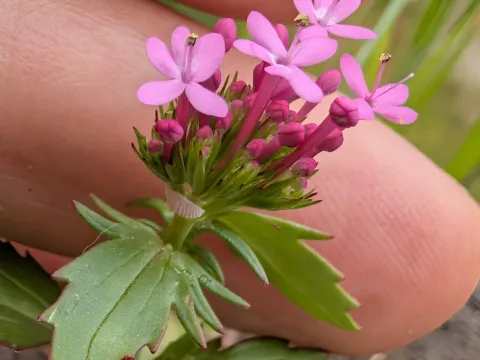
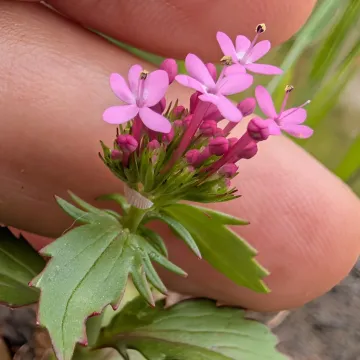
Long-spurred valerian (lat. Centranthus macrosiphon) is an attractive annual herbaceous plant belonging to the Caprifoliaceae family. It is widely recognized in horticulture for its dense, vibrant inflorescences and unique floral structure, making it a favorite for gardeners looking to add texture to their flower beds.
The plant originates from the Mediterranean region, specifically Spain and Morocco. In its native habitat, it thrives in rocky, calcareous soils and sun-drenched environments. Because of its origin, it has evolved to be highly resilient and well-adapted to warm, dry climates, which makes it an excellent choice for xeriscaping.
Botanically, it typically reaches a height of 30 to 60 cm. It features lanceolate leaves and delicate flowers characterized by very long, spurred tubes that give the plant its distinctive appearance. The blooming phase is prolific, often covering the plant in shades of pink, rose, or magenta throughout the summer months.
Cultivation requirements focus on full sun exposure and well-draining soil. It is a drought-tolerant species that dislikes heavy, waterlogged ground, which can lead to poor plant health. A balanced approach to soil fertilization is recommended, as overly nutrient-rich soil may result in excessive vegetative growth rather than the desired flower display.
The primary use is ornamental, often utilized in borders, rock gardens, and naturalistic landscaping. While generally hardy, the plant is susceptible to common garden pests such as aphids and spider mites, particularly during dry spells. Proper air circulation and controlled watering regimes are essential to prevent fungal diseases like powdery mildew or root rot.
Photo gallery