Water hornfern
Ceratopteris cornuta
Description
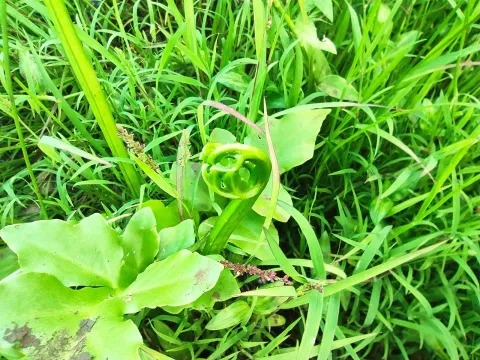
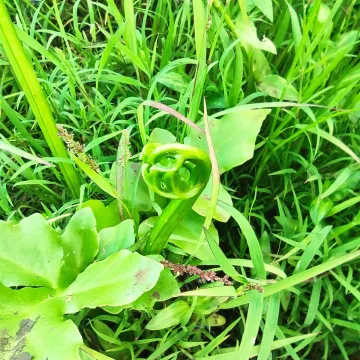
Water hornfern (Ceratopteris cornuta) is a species of aquatic fern belonging to the Pteridaceae family. This plant is well-known for its high adaptability to aquatic environments, functioning effectively as both a floating plant and an anchored species. It displays significant morphological variations based on its growth conditions, making it an interesting subject for both botany enthusiasts and commercial cultivators.
The native range of this plant includes tropical and subtropical regions across Africa, Asia, and the Americas. It naturally thrives in swamps, stagnant water bodies, and floodplain areas where nutrients are abundant. Due to its rapid growth rate, it has become widely distributed in many warm climates, often serving as a primary component of aquatic ecosystems in these regions.
Botanically, Ceratopteris cornuta is distinguished by its dimorphic fronds. The sterile fronds are generally broad and float on the water surface, while the fertile fronds are narrower, more upright, and bear sporangia on the underside. The root system is relatively delicate and serves more for stability in soft substrates than for intensive nutrient uptake, as the plant absorbs most of its minerals directly from the water column.
Successful cultivation requires specific environmental parameters: high temperatures ranging between 22 °C and 28 °C and robust lighting conditions. The plant prefers neutral to slightly acidic water with a low to moderate flow. In agricultural or aquarium settings, maintaining consistent levels of nitrogen, phosphorus, and potassium is crucial to ensure optimal growth and prevent the fronds from becoming chlorotic.
Key areas of application include:
- Utilization in the aquarium and ornamental water gardening industry.
- Implementation in phytoremediation projects to treat wastewater.
- Culinary use of tender young fronds in various tropical cuisines.
- Provision of cover and breeding grounds for aquatic fauna in aquaculture systems.
Like many aquatic plants, it can be susceptible to snail infestation and competition from algae, which can inhibit its growth. Fungal infections can occur if water temperature drops or if water quality fluctuates significantly. Maintaining a balance in the ecosystem, including regular thinning of the plant population, is the most effective method for disease prevention and ensuring the health of the crop.
Photo gallery