Mountain mahogany
Cercocarpus montanus
Description
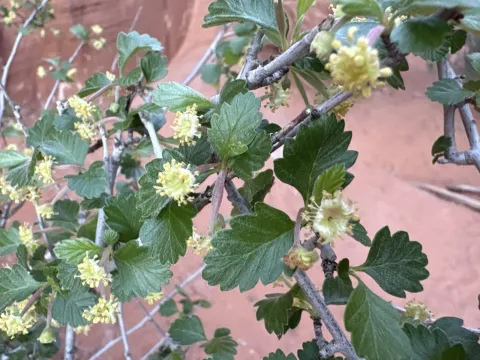
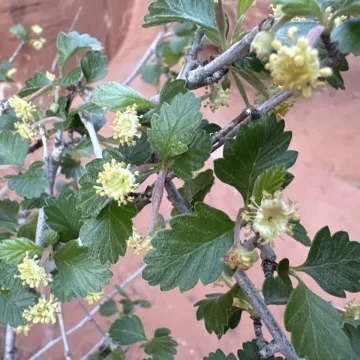
Mountain mahogany (Cercocarpus montanus) is a prominent woody shrub belonging to the Rosaceae family. Renowned for its extreme resilience, this species thrives in challenging mountainous environments, making it a valuable asset for both natural habitat restoration and specialized landscape design.
Originating from the Western United States and parts of Northern Mexico, this plant is native to rugged terrains, canyons, and dry mountain slopes. Its evolutionary development in such harsh conditions has resulted in a plant that requires minimal intervention to survive once established, showcasing superior tolerance to drought and nutrient-poor soils.
Botanically, the plant is characterized by its stiff, leathery leaves and a complex branching structure. A unique feature is its fruit, which bears long, feathery tails that serve as a dispersal mechanism via wind. The shrub grows slowly, allowing it to invest energy into building a deep, anchoring root system that provides stability in rocky substrate.
Agricultural requirements focus on well-draining soil and full sun exposure. It is crucial for growers to avoid over-irrigation, as excessive moisture often invites root rot and fungal pathogens. In terms of maintenance, pruning is generally only necessary to remove dead or diseased branches, as the natural form of the shrub is typically dense and balanced.
The primary utility of Mountain mahogany lies in land reclamation and erosion control. Due to its nitrogen-fixing capabilities and stability on slopes, it is frequently used to rehabilitate disturbed soils. Additionally, it serves as a critical food source for wild ungulates such as deer and bighorn sheep, who rely on its foliage during colder seasons.
- Excellent drought tolerance.
- Deep root system for soil stabilization.
- Nitrogen-fixing properties.
- Low maintenance requirements.
- High wildlife forage value.
Photo gallery