Parlor palm
Chamaedorea elegans Mart.
Description
The parlor palm (Chamaedorea elegans Mart.) is a popular ornamental species belonging to the Arecaceae family. It is highly valued in horticulture for its elegant, feathery foliage, slow growth habit, and exceptional adaptability to indoor conditions where other palm species might fail.
Native to the rainforests of Southern Mexico and Guatemala, this plant naturally thrives in the understory of dense tropical forests. This evolutionary background makes it well-suited for interior environments where bright, indirect light is available, as it is accustomed to filtered sunlight and high humidity.
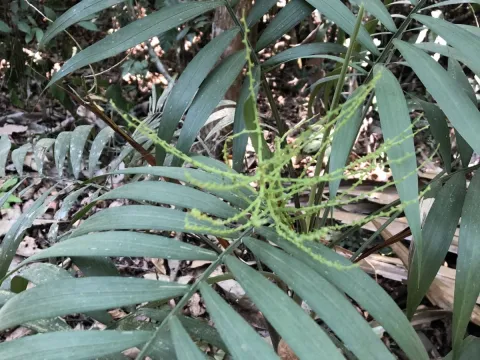
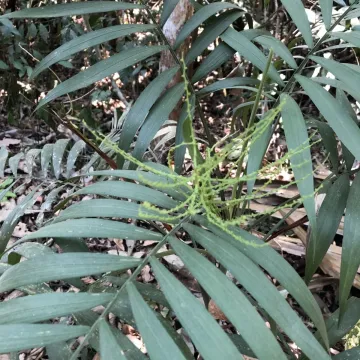
Botanically, the plant is a clustering palm with slender, cane-like stems and graceful, arching pinnate leaves. Under optimal growing conditions, mature specimens may produce inflorescences bearing small, yellow, fragrant flowers, which distinguish the parlor palm from many other non-flowering indoor foliage plants.
Agricultural requirements for successful cultivation include well-draining, peat-based soil and a consistent temperature range between 18°C and 24°C. Regular, moderate watering is essential, ensuring the soil remains moist but never waterlogged. High humidity levels should be maintained through misting or the use of humidity trays.
The parlor palm is primarily used for residential and commercial indoor landscaping. Common pests include spider mites, mealybugs, and scale insects, which often thrive in dry indoor air. Overwatering is the most frequent cause of health issues, leading to root rot and brown leaf tips, necessitating strict drainage control.
- High tolerance for low-light environments.
- Sensitivity to overwatering and fluoride in water.
- Slow growth rate, ideal for smaller spaces.
- Requires minimal pruning of dead foliage only.
Photo gallery