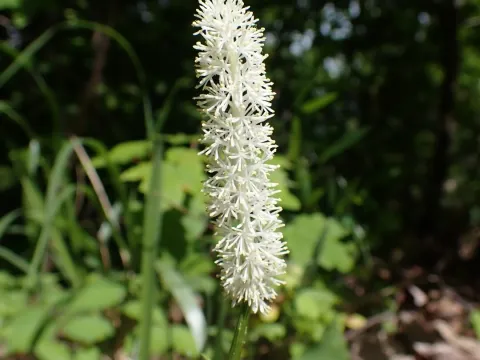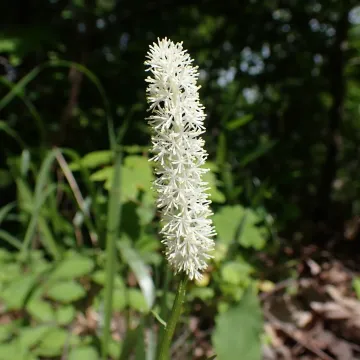
False unicorn
Chamaelirium luteum
Description
False unicorn (Chamaelirium luteum) is a perennial herb belonging to the Melanthiaceae family. Renowned for its medicinal properties, this species is increasingly cultivated as a specialized agricultural crop. It is a slow-growing plant that requires patience and precise environmental management to thrive in a cultivated setting.
Native to the damp forests and meadows of North America, the plant requires specific ecological conditions to mature. Successful cultivation usually takes place in temperate regions that provide high humidity and protection from harsh weather conditions. Unlike many common crops, this plant demands a shaded or semi-shaded location to mimic its natural woodland habitat.
Botanically, it features a basal rosette of leaves and a prominent, often dioecious flowering spike. The rhizome, which is the commercially valuable part of the plant, grows slowly and takes several years to reach harvestable size. This biological constraint makes it a high-value niche crop rather than a mass-market commodity.
Cultivation requirements focus on soil health, specifically emphasizing rich, acidic, and well-drained soil with a high content of forest-like organic matter. Key agronomic practices include consistent mulching to maintain soil moisture levels and avoiding any soil compaction. Over-fertilization should be avoided, as the plant is highly sensitive to excessive mineral salts in the soil profile.
The primary economic use is in the pharmaceutical industry for the production of herbal extracts used in reproductive health applications. Regarding plant health, producers must be vigilant against fungal infections that affect the root system, particularly in poorly drained beds. Monitoring for soil-borne pests is essential to ensure the longevity of the perennial crop beds.
- Requires consistent irrigation
- Needs acidic soil (pH 5.0–6.0)
- Protection from direct intense sunlight
- High sensitivity to root disturbance
Photo gallery