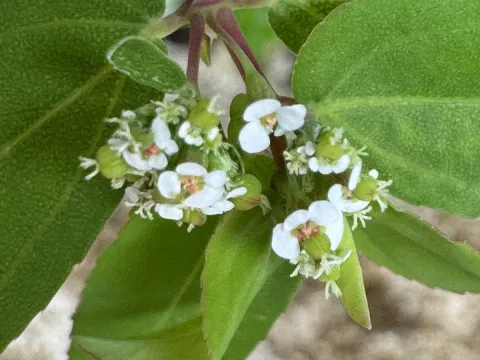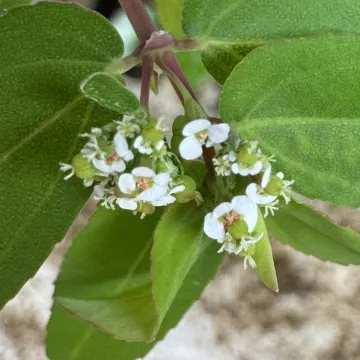
Chamaesyce glomerifera
Chamaesyce glomerifera
Description
Chamaesyce glomerifera is a plant species belonging to the Euphorbiaceae family. It is a herbaceous plant characterized by a complex morphological structure and a milky latex common to members of the Spurge family. Modern taxonomy frequently reclassifies species of this genus under the broader category of Euphorbia, reflecting its close evolutionary ties to other well-known agricultural species.
The native range of this plant encompasses the tropical and subtropical regions of the Americas. Over centuries, it has adapted to diverse ecological niches, preferring areas with high solar radiation and well-drained soil types. Its ability to colonize various environments makes it an interesting subject for agricultural trials in warm climate zones where moisture management is critical for productivity.
Botanically, the species is defined by its opposite leaf arrangement and specific flower structures known as cyathia. The root system is resilient and capable of exploiting nutrients efficiently in nutrient-poor soils. Growth patterns are highly sensitive to thermal fluctuations, making the plant most productive during peak summer months when the photoperiod is longest and the temperature remains consistently warm.
Agronomic management of Chamaesyce glomerifera requires specific attention to soil texture and irrigation frequency. Because the plant is sensitive to waterlogging, it is recommended to cultivate it on sloped terrain or in raised beds with sandy-loam soils. Weed management is essential during the early stages of establishment, as the crop does not compete well with vigorous invasive grasses until it reaches maturity.
Current industrial and agricultural applications for this crop include:
- Research into phytochemical extraction for medicinal purposes.
- Experimental use in sustainable biomass production.
- Potential utility in soil conservation strategies for tropical climates.
Regarding phytosanitary risks, the crop is susceptible to certain fungal pathogens such as powdery mildew, especially under humid conditions. Pests such as aphids and leaf miners are also common concerns for growers. Implementing a routine monitoring program and adhering to strict planting density guidelines are the primary strategies to prevent outbreaks and ensure the health of the cultivation field.
Photo gallery