Cheilanthes sieberi
Cheilanthes sieberi
Description
Cheilanthes sieberi is a resilient fern species belonging to the Pteridaceae family. Known for its distinct adaptation to arid and rocky environments, this plant offers a unique structural profile that differentiates it from more common, moisture-dependent tropical ferns. It serves as an excellent example of biological specialization in harsh habitats.
The species originates from Australia and the Pacific regions. Its natural distribution includes diverse landscapes, typically mountainous or rocky outcrops where typical forest ferns would struggle to survive. This geographic history provides the foundation for its remarkable ability to tolerate intermittent drought and low-nutrient substrates, making it a hardy choice for specific horticultural applications.
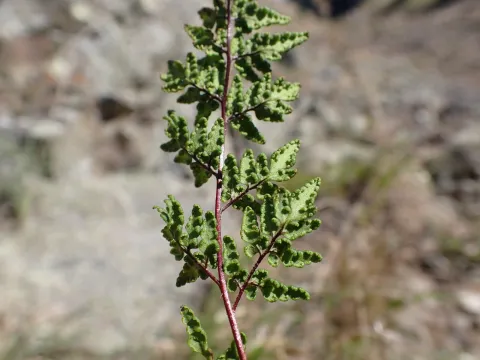
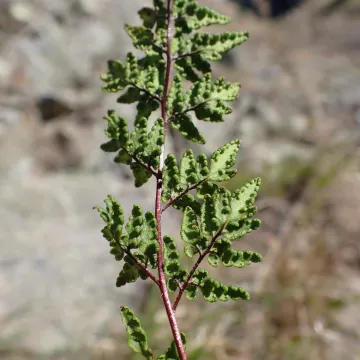
Botanically, this fern is characterized by its stiff, bipinnate or tripinnate fronds, which often exhibit a degree of hairiness or scale development to mitigate water loss. The rhizomes are creeping, facilitating spread in narrow crevices. Reproduction is supported by sori located along the margins of the leaf undersides, protected by reflexed leaf tissue, which is a diagnostic feature of the genus.
In cultivation, the primary requirement is a highly porous, gritty substrate that ensures rapid drainage. Unlike many ferns, Cheilanthes sieberi thrives when the soil is allowed to dry out significantly between watering intervals. Light exposure should be bright but indirect, as intense direct noon sun can scorch the fronds, while insufficient light leads to etiolated, weak growth.
The plant is mainly utilized in ornamental horticulture for rock gardens, arid-themed displays, and specialized greenhouse collections. Maintaining the plant requires vigilance regarding fungal pathogens, which can thrive in stagnant humidity. Typical pests include scale insects and spider mites, which should be managed with standard integrated pest management practices to maintain plant vigor.
- Soil: Well-draining, rocky/sandy mix.
- Watering: Allow significant drying between cycles.
- Light: Bright, indirect sunlight.
- Maintenance: Minimal fertilization required.
Photo gallery