Chloris divaricata
Chloris divaricata R. Br.
Description
Chloris divaricata, commonly known as a type of windmill grass or spider grass, is a perennial forage crop belonging to the Poaceae family. It is recognized for its exceptional resilience in challenging environments, making it a valuable resource for agricultural systems in dry-land regions.
The plant originates from Australia and has gradually expanded into various tropical and subtropical regions globally. Its natural distribution is primarily found in open woodlands and grasslands where other species may struggle to establish due to erratic rainfall patterns and high temperatures.
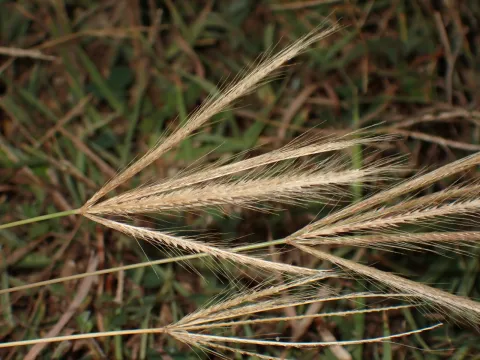
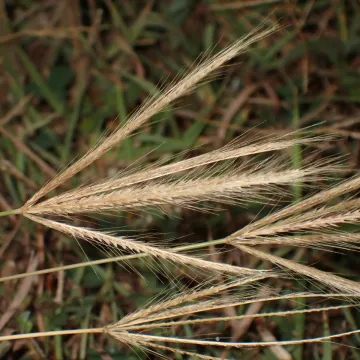
Botanically, this grass is characterized by its spreading habit and deep, fibrous root system. The inflorescence consists of distinct, divergent spikes that create a fan-like appearance at maturity. Its ability to tolerate heat and moderate salinity makes it an ideal candidate for soil stabilization and pasture improvement programs.
Regarding soil and climatic requirements, it thrives in well-drained sandy or loamy soils. It requires full sunlight and is notably drought-tolerant once established. Agronomic practices focus on maintaining optimal plant density during the initial establishment phase and managing soil moisture to prevent waterlogging, which the plant does not tolerate well.
The primary agricultural use of this grass is for livestock grazing and hay production. While it provides good nutritional value, farmers should be aware of potential issues with fungal leaf diseases and occasional aphid infestations. Integrated pest management, including crop rotation and proper grazing pressure, is essential for sustaining long-term productivity of the stands.
Photo gallery