
Vetiver
Chrysopogon zizanioides (L.) Roberty
Description
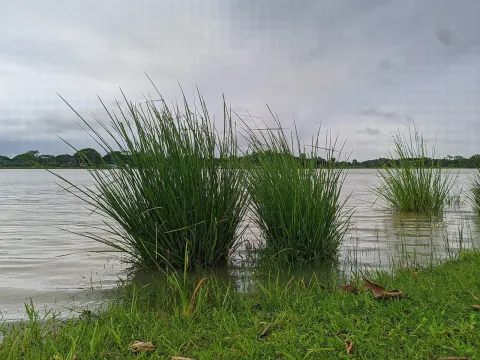
Vetiver (Chrysopogon zizanioides) is a perennial bunchgrass belonging to the Poaceae family. Unlike most agricultural grasses that are harvested for their seeds or biomass, vetiver is primarily cultivated for its complex, dense root system and the aromatic essential oil stored within its roots.
Originating from India and Southeast Asia, vetiver has been introduced to many tropical and subtropical regions across the globe. Its ability to adapt to diverse environments has allowed it to become a staple crop in countries such as Haiti, Indonesia, and various parts of Africa, where it serves both economic and ecological purposes.
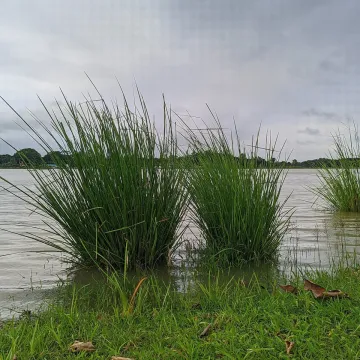
Botanically, vetiver forms dense clumps of stiff, long leaves that can reach heights of up to 2 meters. Its most notable feature is the massive, deep, and vertical root system. These roots can grow up to 3 meters deep in the first year, providing the plant with exceptional drought resistance and the ability to hold soil firmly in place.
From an agronomic perspective, vetiver requires warm temperatures and full sun to thrive. While it is highly adaptable to a variety of soil types—ranging from sandy to heavy clay—it performs best in deep, well-drained soils. The plant is incredibly resilient, capable of surviving extreme conditions including prolonged floods, fire, and even high levels of soil salinity or heavy metal contamination.
The practical applications of vetiver include:
- Extraction of vetiver oil, a high-value commodity in the fragrance and perfumery industry.
- Soil conservation and slope stabilization to prevent erosion and landslides.
- Phytoremediation, used to filter agricultural runoff and improve water quality.
- Utilization of stalks for handicrafts, mulching, and sustainable packaging solutions.
Vetiver is remarkably resistant to most pests and diseases, which is a major advantage for sustainable farming systems. The aromatic compounds in its roots act as natural repellents against termites and many soil-borne insects. While it is a robust crop, good management practices such as avoiding waterlogging during the establishment phase are essential to ensure the maximum yield of high-quality root biomass.
Photo gallery