
Blue sow thistle
Cicerbita macrophylla
Description
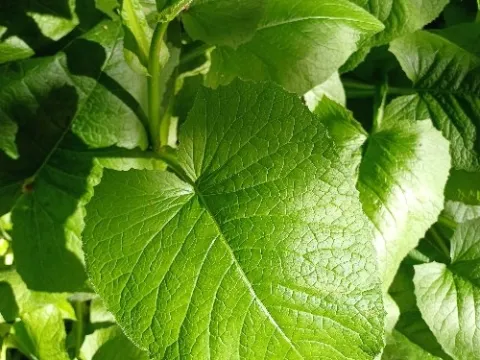
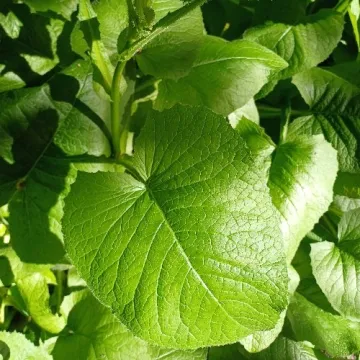
The Blue sow thistle (Cicerbita macrophylla) is a perennial herbaceous plant belonging to the Asteraceae family. It is recognized for its robust growth, large lobed leaves, and tall, sturdy stems that can reach up to two meters in height. As a crop, it is valued for its rapid biomass accumulation and longevity in established fields.
Originating from the mountainous regions of the Caucasus, this species has successfully naturalized across various parts of Europe. It thrives in temperate climates, showing a preference for damp, nutrient-rich soils and locations that offer partial shade, which reflects its natural habitat of woodland edges and riverbanks.
Regarding cultivation requirements, Cicerbita macrophylla prefers well-drained but moist soils with high organic matter content. It is exceptionally winter-hardy and requires minimal specialized maintenance once established. Due to its vigorous root system, it can effectively compete with common field weeds, reducing the need for aggressive chemical control.
In terms of agricultural utility, it is primarily categorized as a forage crop. Its foliage is rich in nutrients, making it suitable for feeding livestock. Furthermore, it serves as an excellent nectar source for pollinators, significantly contributing to local biodiversity. Some agrarian systems incorporate it as an auxiliary crop due to its soil-binding properties and ability to improve soil structure.
While the plant is generally resilient, it can be susceptible to typical pests like aphids or fungal infections, particularly during prolonged periods of high humidity. Proper crop rotation, adequate spacing to ensure airflow, and regular health assessments are recommended to maximize productivity and maintain the long-term vigor of the plant population.
Photo gallery