Blue Sow Thistle
Cicerbita plumieri
Description
Cicerbita plumieri, commonly known as the Blue Sow Thistle, is a perennial herbaceous plant belonging to the Asteraceae family. It is recognized for its impressive height and ability to form dense clusters. This plant is a notable representative of high-altitude flora, providing significant biomass and visual appeal in its natural environment.
The plant is native to the mountain regions of Central and Southern Europe, particularly the Alps and Pyrenees. It typically thrives in humid forest edges, subalpine meadows, and woodland clearings. Due to its evolutionary background, the species is highly adapted to cool climates and prefers shaded or semi-shaded environments, making it a reliable perennial for specific horticultural applications.
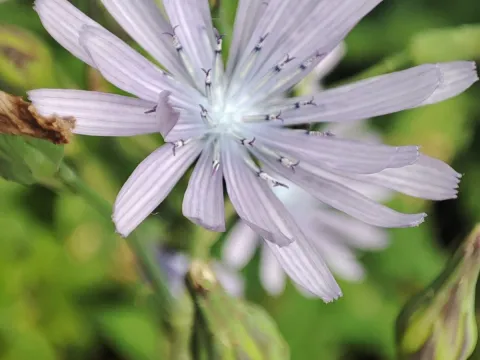
Botanically, Cicerbita plumieri is characterized by its robust, erect stems and large lyrate leaves arranged in basal rosettes. Its inflorescences consist of pale blue or lavender florets arranged in loose panicles. The bloom period occurs in mid-summer, providing essential nectar for various pollinators. The root system is sturdy, contributing to the plant's long-term persistence in the field.
Agricultural success depends on providing nutrient-rich, moist, and well-drained soil. Unlike many open-field crops, this plant performs best in sites with partial shade, which helps prevent leaf scorch. Maintenance involves standard practices such as mulching, adequate hydration during dry spells, and monitoring to ensure it does not become invasive in a managed landscape.
- Excellent cold hardiness for temperate climates.
- High tolerance for shaded garden or field positions.
- Low requirement for heavy nitrogen fertilization.
- Significant aesthetic value during flowering season.
The primary use of Cicerbita plumieri is within ornamental gardening and landscape restoration. It is favored for its structural presence and resilience. Regarding phytosanitary aspects, the plant is relatively robust, although it can be susceptible to common garden pests like aphids or fungal issues like powdery mildew in poorly ventilated or excessively humid conditions.
Photo gallery