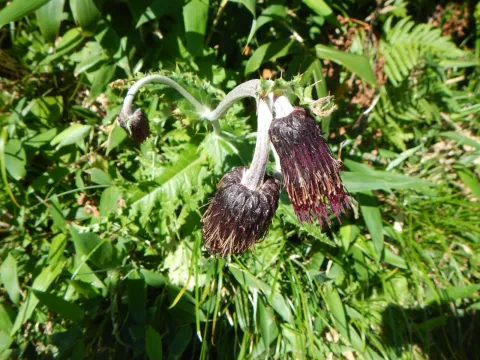
Chokai thistle
Cirsium chokaiense
Description
The Chokai thistle (Cirsium chokaiense) is a perennial herbaceous plant belonging to the Asteraceae family. As a distinct member of the genus Cirsium, it exhibits unique morphological adaptations that allow it to thrive in its specific high-altitude native environments.
The species originates from the mountainous regions of Japan, specifically associated with the area around Mount Chokai. Commercial cultivation of this plant is relatively rare, with the species primarily found in botanical collections, research gardens, and specialized nurseries focusing on rare or alpine flora.
Botanically, the plant features erect, pubescent stems and alternate, pinnately lobed leaves with characteristic spiny margins. The inflorescences are typical thistle heads comprised of numerous tubular florets, which are often deep purple or pink, providing a significant nectar source for local pollinators.
Successful cultivation requires moderately moist, well-draining soil with a neutral to slightly acidic pH. Due to its alpine origins, the plant prefers cooler climates and shows high resistance to temperature fluctuations, provided it receives sufficient light and proper ventilation to avoid excessive humidity.
Current utility is largely decorative, often used in naturalistic landscape designs. Regarding plant health, the species is susceptible to typical thistle pests, such as leaf-eating insects, and can develop powdery mildew if cultivated in poorly ventilated areas with high atmospheric moisture levels.
Photo gallery