Edible thistle
Cirsium edule
Description
The Edible thistle (Cirsium edule) is a perennial herbaceous plant belonging to the Asteraceae family. Known for its historical significance as a food source for Indigenous peoples in North America, it stands out among the thistle genus due to the nutritional profile of its roots and stems.
Native to the western regions of North America, this species thrives in moisture-rich environments. It is naturally found in riparian zones, wet meadows, and forest clearings. The distribution range spans from coastal Alaska down through the Pacific Northwest to California, reflecting its preference for mild, humid maritime climates.
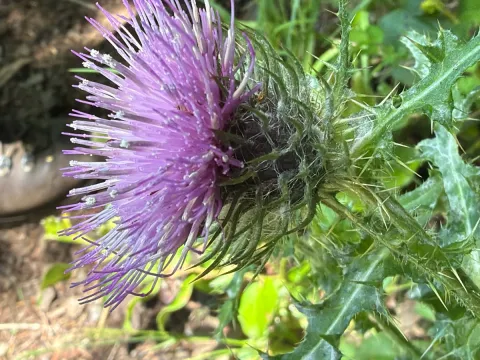
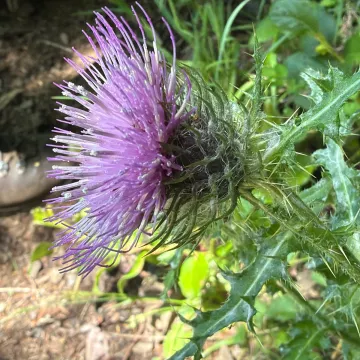
Botanically, Cirsium edule is characterized by its tall, robust stature, often reaching up to two meters in height. The leaves are distinctively serrated and spiny, providing a natural defense. The flowering heads are large, typically featuring purplish-pink florets that bloom during the peak of the summer, contributing to local biodiversity by supporting pollinators.
Agricultural requirements for this crop focus on soil moisture management and light exposure. The plant requires deep, fertile, loamy soils that maintain moisture without becoming waterlogged. While it tolerates partial shade, it performs best with sufficient light to support its rapid vegetative growth cycle. Regular irrigation is mandatory in drier climates to prevent premature bolting or stress.
In terms of agricultural threats, the plant is susceptible to various fungal pathogens, such as rusts and powdery mildew, which flourish if air circulation is inadequate. Common pests include aphids, which target new growth, and thistle-specific weevils that can impact seed production. Integrated pest management strategies, focusing on site sanitation and proper spacing, are essential for maintaining crop health.
Photo gallery