
Melancholy thistle
Cirsium heterophyllum
Description
Melancholy thistle (Cirsium heterophyllum) is a perennial herbaceous plant belonging to the Asteraceae family. Unlike many of its more aggressive cousins, this species is valued for its unique botanical traits and its role as a stable component of meadows in temperate and subarctic regions of Eurasia.
The plant is native to damp grasslands, woodland edges, and mountainous areas. It thrives in cooler climates where many other forage crops struggle, demonstrating significant hardiness and the ability to persist through harsh winters due to its robust underground rhizome system.
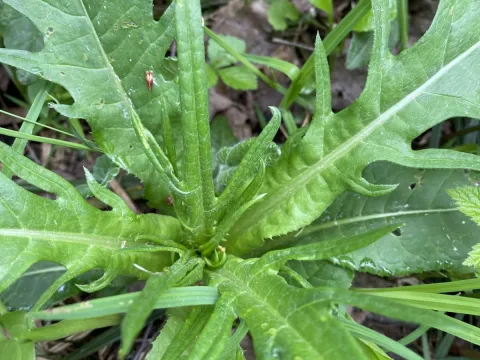
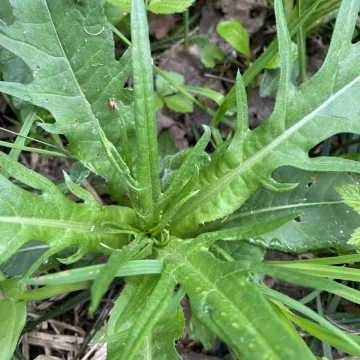
Botanically, Cirsium heterophyllum is characterized by its unbranched or sparingly branched stems and leaves that are largely entire or weakly lobed, unlike the deeply dissected leaves of other thistles. Its solitary, deep purple flower heads appear throughout the summer months, providing a reliable source of nectar.
Agricultural management of this crop involves maintaining soil moisture and ensuring a fertile, loamy substrate for optimal growth. While it is not a traditional mass-produced crop, it serves as a valuable forage component in low-intensity farming systems, especially when managed with periodic mowing to maintain quality.
Regarding pest and disease resistance, the species is relatively resilient, though it can be susceptible to typical Asteraceae pathogens in poorly ventilated environments. Proper crop rotation and field sanitation remain the primary methods for preventing outbreaks of fungal diseases or infestations by aphids.
- Excellent cold tolerance and winter hardiness.
- Valuable nectar source for pollinators.
- Strong perennial growth habit.
- Low requirement for heavy chemical inputs.
Photo gallery