
Mexican thistle
Cirsium mexicanum
Description
Mexican thistle (Cirsium mexicanum) is a perennial herbaceous plant belonging to the Asteraceae family. Known for its robust growth habit, this species is native to the temperate and mountainous regions of Mexico, where it has evolved as a significant component of local flora, often interacting with agricultural landscapes.
In terms of its origins and range, the plant is well-adapted to varied elevations and soil types. Its ability to colonize disturbed soils makes it a common sight in areas surrounding farms. Understanding its distribution is crucial for farmers who operate in regions where this species is endemic, as it exhibits strong competitive traits.
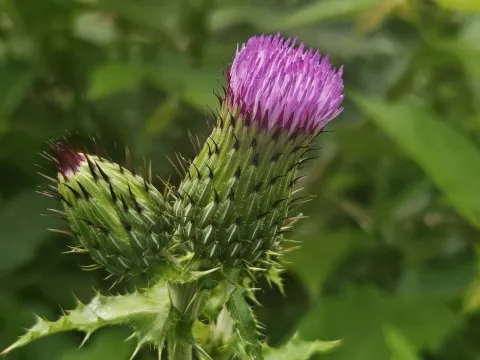
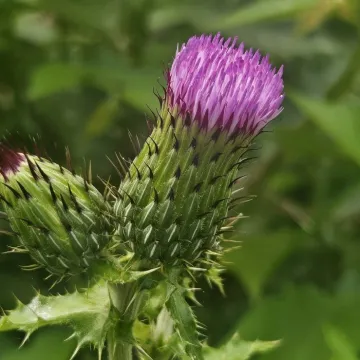
The botanical characteristics of Cirsium mexicanum include a deep, extensive root system and a stout, prickly stem topped with vibrant, typically purple flower heads. These structures are specifically evolved to attract pollinators, ensuring seed production. The leaves are characteristically serrated and armed with spines, serving as a primary defense mechanism against herbivores.
Regarding agrotechnology, managing the presence of this thistle involves integrated pest management strategies. Because it thrives in well-drained, nutrient-rich soils, its proliferation is often a result of soil disturbance. Mechanical cultivation, mowing before the seeding stage, and the strategic application of herbicides are the most effective methods to mitigate its impact on cultivated fields.
Although not a commercial crop, the Mexican thistle plays a role in sustaining local biodiversity by providing nectar. However, it is primarily viewed as a weed in modern agronomy. Typical pests and diseases include various rust fungi and specialized insects that feed on the foliage or floral parts, which are often studied for their potential as biological control agents to keep populations in check.
Photo gallery