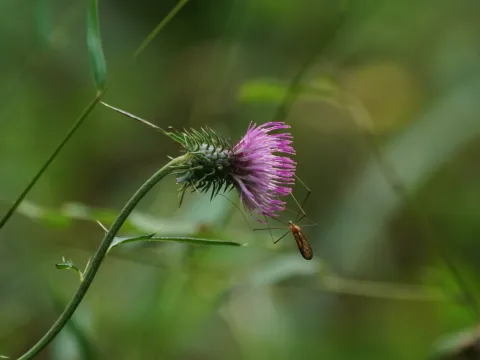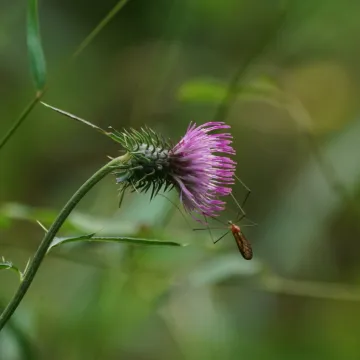
Cirsium nipponicum
Cirsium nipponicum
Description
Cirsium nipponicum, commonly known in its native range as a type of Japanese thistle, is a perennial herbaceous plant belonging to the Asteraceae family. This crop is characterized by its robust vertical growth and significant biomass production, making it a subject of interest in specialized agricultural studies regarding native plant cultivation and their potential economic roles.
The origin of this species is centered in the East Asian region, specifically Japan and adjacent islands. Its natural habitat includes grasslands, forest edges, and mountainous terrain, reflecting its preference for temperate climates with stable humidity levels. As a crop, it demonstrates high resilience to environmental stressors typical of these geographical zones.
Botanically, the plant is distinguished by its pinnately lobed leaves with sharp, spine-like margins and prominent purple-hued flower heads. Its root system is well-developed, ensuring efficient water uptake and nutrient absorption. The lifecycle of the plant follows a predictable pattern, transitioning from rosette formation to the development of a stout flowering stem during the second year of growth.
Agricultural requirements for Cirsium nipponicum include well-drained, fertile soils with a balanced pH level. Proper site preparation is essential to avoid soil compaction, which hinders the development of the taproot. Agronomic management involves consistent weed control during the establishment phase and optimized fertilization schedules to support the rapid development of aerial parts before the flowering stage.
Economic and practical utility of this species covers several areas:
- Potential pharmaceutical applications due to its secondary metabolite profile.
- Value as a high-quality nectar source for apiculture.
- Use in ecological restoration projects for soil stabilization.
- Ornamental use in native plant landscaping and xeriscaping.
Typical plant health challenges include fungal pathogens such as rust and mildew, which thrive in high-humidity environments. Insect pests like aphids and stem-boring weevils can significantly impact yield and quality if left unchecked. Implementing a sound integrated pest management (IPM) strategy, including proper crop rotation and the use of targeted control agents, is crucial for maintaining a healthy and productive crop stand.
Photo gallery