
Cirsium odontolepis
Cirsium odontolepis
Description
Cirsium odontolepis is a perennial herbaceous plant belonging to the Asteraceae family. Known for its robust growth and specific morphology, this species is frequently studied within botanical circles for its evolutionary adaptations to mountain and temperate environments where it effectively competes with other meadow vegetation.
The plant originates from the Eurasian continent, specifically favoring mountainous regions and foothills. Its natural distribution is widespread, as it readily colonizes disturbed soils, roadsides, and abandoned agricultural lands, making it a highly resilient species in various ecological niches across its native range.
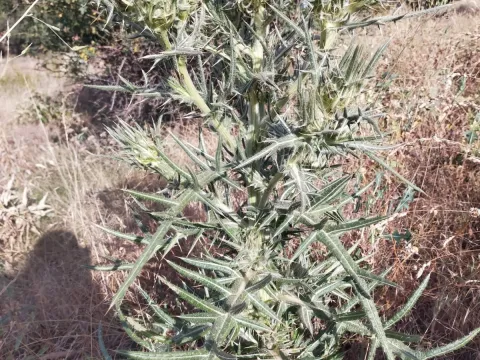
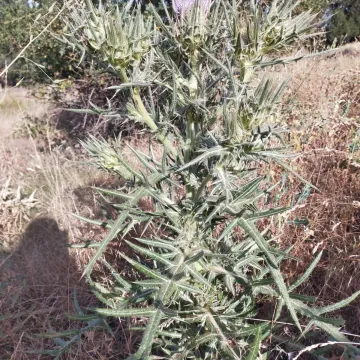
Botanically, it is characterized by a strong taproot, which provides stability and access to deep water sources. The stems are upright and rigid, supporting serrated leaves with sharp spines. The inflorescences are typical for the genus, appearing as dense flower heads with high nectar production, attracting various pollinators during the peak of summer.
Regarding cultivation and environmental requirements, the plant thrives in well-lit areas with moderate soil moisture. While it is not traditionally cultivated as a crop, its ability to persist in diverse soil conditions, from sandy loams to heavier clays, makes it a focus for research in soil stabilization and pollinator habitat restoration.
In terms of agricultural management, controlling its spread is a common priority. The typical challenges faced by the species include:
- aphid infestations;
- leaf-mining insects;
- fungal rust diseases;
- competition with surrounding weeds;
- sensitivity to prolonged waterlogging.
Photo gallery