Pyrenean thistle
Cirsium pyrenaicum
Description
The Pyrenean thistle (Latin: Cirsium pyrenaicum) is a perennial herbaceous plant belonging to the Asteraceae family. While often recognized in wild landscapes, its biological classification places it within a genus of high-interest species for studying botanical diversity and ecological roles in temperate agricultural systems.
Originating from the mountainous regions of South-Western Europe, specifically the Pyrenees, this species has adapted to subalpine and alpine environments. Its native range is characterized by rocky terrain and high precipitation levels, which have dictated the plant's evolutionary survival strategies over centuries.
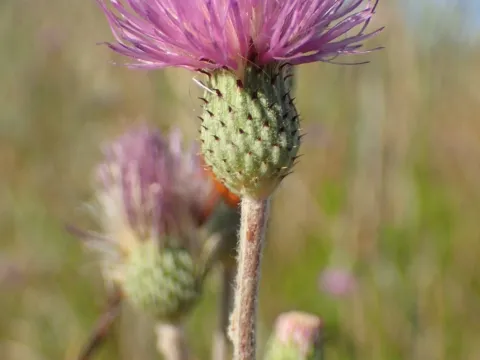
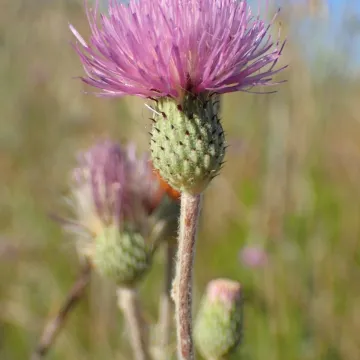
Botanically, it features robust stems, serrated leaves, and characteristic flower heads that exhibit strong purple hues. The plant maintains a significant root structure, which aids in stabilizing soil and competing for nutrients in mountain meadows, reflecting its overall vigor and adaptability to diverse soil profiles.
Regarding climate and soil requirements, this species thrives in well-drained, moderately fertile soils. It is sensitive to waterlogged conditions, making proper soil structure a prerequisite for any cultivation attempts. It demands substantial solar exposure and is best suited for climates with a distinct cool season followed by active, warm growth periods.
Agricultural applications focus primarily on its role in diverse meadow ecosystems and as a potential source of biodiversity in grazing lands. Management of the plant requires attention to common pests like aphids and susceptibility to fungal pathogens, necessitating integrated pest management strategies to maintain plant health.
Photo gallery