
Senjo thistle
Cirsium senjoense
Description
The Senjo thistle (Cirsium senjoense) is a rare herbaceous perennial plant belonging to the Asteraceae family. This species is highly specialized, adapted to the extreme ecological conditions found in high-mountain ranges, which makes it a unique subject for botanical observation and research.
The plant originates from the high-altitude zones of Japan, specifically the Senjo-gatake mountain on Honshu Island. It has evolved to thrive in the harsh alpine belt, where the growing season is notably short, and environmental conditions are defined by significant fluctuations in temperature and intense solar radiation.
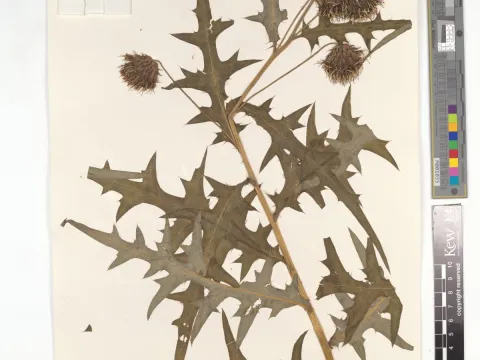
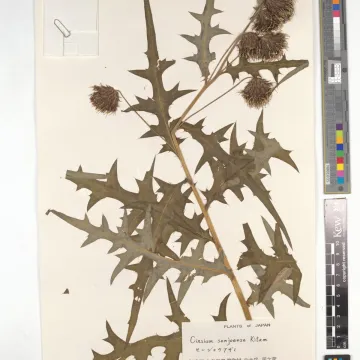
Botanically, Cirsium senjoense is characterized by a strong taproot, essential for anchoring in rocky soils, and a stiff, erect stem covered with specialized leaves. The inflorescence consists of dense, often purple-hued flower heads, which are highly efficient at attracting local alpine pollinators even in unpredictable weather conditions.
Regarding cultivation requirements, the species demands extremely well-drained, nutrient-poor, rocky substrates. It is highly intolerant of waterlogged soil, which typically leads to root rot. Successful maintenance or research cultivation depends on mimicking its natural environment: bright light exposure, high air permeability, and distinct dormant periods during the colder months.
Currently, the plant is not widely used in industrial agriculture, though it holds potential value in conservation genetics and experimental botanical gardens. Main challenges in maintaining healthy populations involve managing susceptibility to fungal pathogens caused by high humidity and protecting the plants from common thistle-feeding insects that can significantly reduce seed production.
Photo gallery