Tanaka thistle
Cirsium tanakae
Description
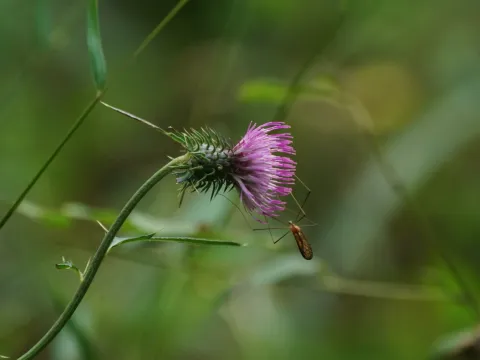
Tanaka thistle (Cirsium tanakae) is a perennial herbaceous plant belonging to the Asteraceae family. Known primarily as a native species of the Japanese archipelago, it exhibits the characteristic features of the thistle genus, including a robust root system and specialized morphological defenses. This plant serves as an important component of its local ecosystem, contributing to biodiversity within its natural range.
The plant originates from the mountainous regions of Japan, where it typically occupies open grassy slopes and forest edges. Its distribution is closely linked to temperate climatic conditions with distinct seasonal changes. Cirsium tanakae thrives in environments that provide high solar radiation, which is necessary for the development of its dense inflorescences during the summer months.
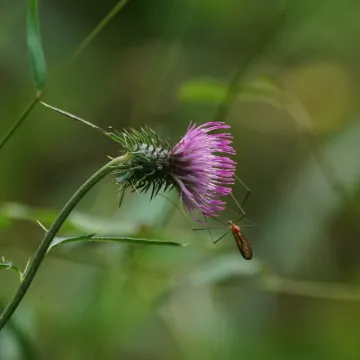
Botanically, Cirsium tanakae is recognized by its erect stem and deeply lobed, spiny leaves. The inflorescences consist of tightly packed flower heads that house numerous tubular flowers, attracting a variety of pollinators. These features ensure efficient reproduction and seed dispersal through the utilization of airborne plumes, which is a common adaptation in the genus Cirsium.
When considering cultivation, the requirements focus on soil drainage and nutrient availability. The plant prefers well-aerated soils that avoid waterlogging, which is essential to prevent root diseases. Proper spacing is required to ensure adequate airflow, reducing the risk of fungal infections such as powdery mildew, which can significantly affect the health and vigor of the plants.
- Requires well-drained, fertile soil for optimal growth.
- Thrives in full sun to partial shade conditions.
- Resistant to cold but sensitive to excessive humidity.
- Beneficial to local pollinators during the flowering stage.
Regarding its utility, the species is mainly valued in ecological restoration and potential pharmacological research due to its secondary metabolites. Maintenance requires vigilance against common pests, including aphids and various leaf-feeding larvae that may inhabit the foliage. Integrated pest management strategies are generally recommended to maintain crop health without compromising environmental integrity.
Photo gallery