Tuberous thistle
Cirsium tuberosum
Description
The Tuberous thistle (Cirsium tuberosum) is a perennial herbaceous plant belonging to the Asteraceae family. Unlike other more common thistles, this species is defined by its specialized tuberous roots, which act as nutrient storage organs, allowing the plant to thrive in nutrient-poor and dry grassland environments.
The natural range of Cirsium tuberosum is primarily located throughout Central and Western Europe. It is historically found in limestone grasslands, chalky slopes, and open woodland margins. While not a conventional industrial crop, it is highly valued for biodiversity restoration and as a sustainable component in native plant gardening.
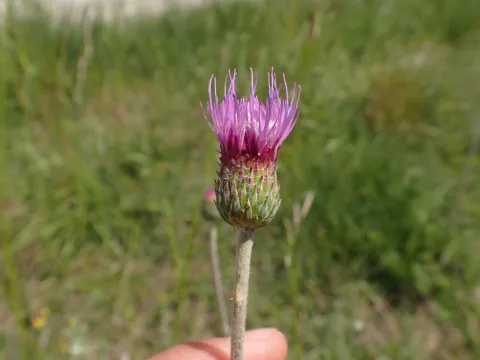
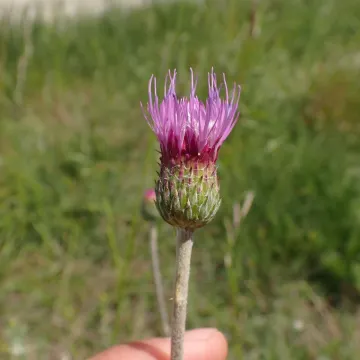
Botanically, the plant features a slender, slightly branched stem typically reaching 30 to 60 centimeters in height. Its leaves are deeply serrated with small thorns, and it produces elegant purplish-pink flower heads. The root system is the defining characteristic, consisting of fleshy, tuberous structures that help the plant persist during dry seasons.
Optimal growth requires well-drained, alkaline, or neutral soils rich in calcium. The Tuberous thistle thrives in full sunlight and is sensitive to waterlogged conditions, which can be detrimental to root health. Agronomic practices focus on maintaining soil pH balance and ensuring that the plant is not outcompeted by taller, more aggressive grasses or weeds.
The agricultural and economic utility of this species includes:
- Supporting native pollinator populations, such as bees and butterflies.
- Use in ecological restoration projects for meadows and dry slopes.
- Enhancing the floristic diversity of wild meadows.
Typical plant health issues involve fungal infections, especially in humid and poorly ventilated sites. Pests such as leaf-eating insects can impact the foliage density. Effective management requires maintaining adequate spacing between plants and regular monitoring for signs of rot, ensuring that the soil remains adequately porous throughout the growing season.
Photo gallery