
Yezo thistle
Cirsium yezoense
Description
Yezo thistle (Cirsium yezoense) is a perennial herbaceous plant belonging to the Asteraceae family. While often classified as a wild species, its role within the agricultural ecosystem is recognized due to its significant nectar production and its potential as an element in biodiversity management for sustainable farming systems.
The plant is native to the regions of East Asia, with a primary distribution range extending across Hokkaido, Japan, and the Russian Far East. Its natural habitat consists of moist, shaded forest margins and mountainous areas, where it has evolved to thrive in cool, temperate, and humid microclimates.
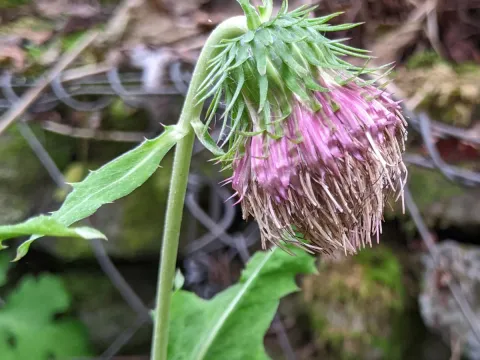
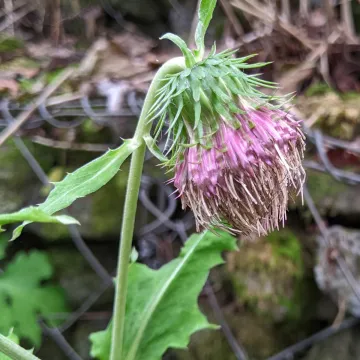
Botanically, Cirsium yezoense is characterized by a robust, upright stem and deeply lobed, prickly leaves. Its root system is deep and expansive, providing resilience against environmental stresses. The plant produces distinctive flowering heads that are highly attractive to bees and other essential pollinators, which is a key trait of this genus.
Cultivation requirements for this species include access to nutrient-rich, moist, and well-drained soils. In an agricultural setting, it is best suited for areas that offer partial shade and consistent moisture, as the plant is sensitive to intense heat and severe drought. Proper spacing is necessary to allow for root development and adequate airflow to prevent pathogenic pressure.
The primary agricultural use of the species is linked to its contribution as a nectar source in apiculture. Ongoing research explores its resilience and potential applications in herbal medicine or as a supplemental biomass crop. Managing the health of the plant involves monitoring for common pests like aphids and managing fungal risks associated with high humidity, such as powdery mildew.
Photo gallery