Clausena anisata
Clausena anisata
Description
Clausena anisata, commonly known as the horsewood or anise-scented clausena, is a perennial shrub or small tree belonging to the Rutaceae family. It is widely recognized for its intensely aromatic foliage that releases a strong, anise-like fragrance when crushed, which is the defining characteristic of this botanical species.
The plant is native to tropical Africa and is distributed extensively throughout sub-Saharan regions, ranging from lowland coastal forests to high-altitude mountain slopes. Its natural range demonstrates a high level of ecological adaptability, allowing it to thrive in diverse soil types and various climatic regimes within the tropical and subtropical zones.
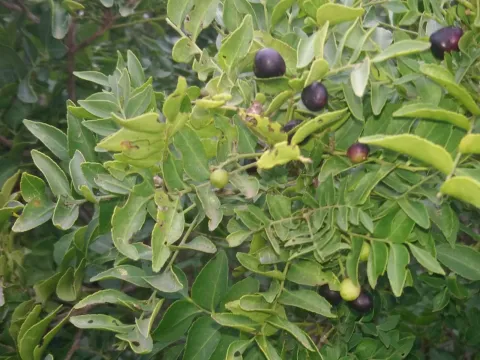
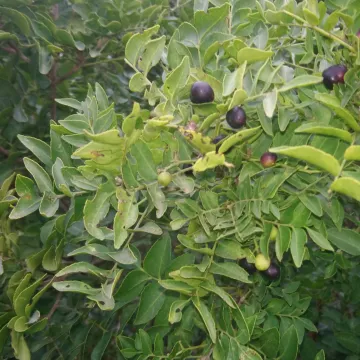
Botanically, the plant features pinnately compound leaves and clusters of small, white flowers that develop into small, fleshy, blackish berries at maturity. The structure of the plant can vary from a dense shrub to a slender tree, depending on environmental conditions and management practices. The aromatic properties of the leaves are attributed to specialized glands containing essential oils.
Cultivation requirements for Clausena anisata involve well-drained, fertile soil and exposure to partial to full sunlight. It is generally hardy, but it requires consistent moisture during the early stages of establishment. In an agricultural setting, row spacing should be managed to ensure adequate airflow, which prevents the development of fungal pathogens common in dense vegetation.
The primary economic and practical uses of the plant include:
- extraction of essential oils for the fragrance and cosmetic industries;
- traditional medicinal applications for treating various ailments;
- use as a natural repellent and botanical insecticide in grain storage;
- agroforestry practices for soil protection and biodiversity support.
Common health issues in cultivation include root rot caused by poor soil drainage and susceptibility to various leaf-eating insects. Aphids and scale insects may also infest the plant during dry spells. Effective crop management includes integrated pest management strategies, such as physical removal of pests or the use of organic sprays to avoid contaminating the volatile compounds in the foliage.
Photo gallery