Clausena excavata
Clausena excavata
Description
Clausena excavata is a perennial woody plant belonging to the Rutaceae family. It typically grows as a shrub or a small tree reaching heights of up to 10 meters. It is well-recognized for its aromatic foliage, containing glands that release essential oils, which are highly characteristic of the citrus-related family it belongs to.
Native to Southeast Asia, its distribution ranges from India and Southern China down through Malaysia and Indonesia. The species thrives in tropical climates, naturally occurring in evergreen forests and secondary growth areas where the environment provides consistent high humidity and warm temperatures throughout the year.
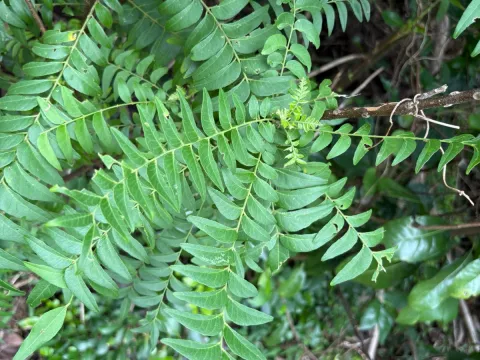
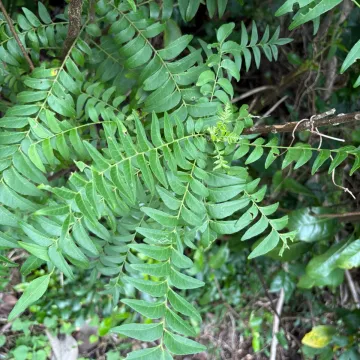
The botanical structure consists of imparipinnate leaves and small, white or yellowish flowers arranged in terminal panicles. The fruits are berries that turn pinkish-white when ripe. The plant’s root system is robust and fibrous, allowing it to adapt to various soil structures provided there is adequate drainage in the subsoil.
Agronomic requirements emphasize the need for well-draining, nutrient-rich soil. The plant prefers full sun to partial shade conditions. Irrigation management is critical; while the plant enjoys moisture, waterlogging must be avoided to prevent root diseases. Regular pruning is recommended to manage the size and encourage dense branching for potential foliage harvesting.
Regarding its utility, Clausena excavata is highly valued in ethnobotany and traditional medicine. Its extracts are studied for potential antioxidant, anti-inflammatory, and antimicrobial properties. In agriculture, it is sometimes utilized in integrated pest management systems due to the insecticidal properties of certain secondary metabolites found in its leaves.
Pathogens and pests include common tropical sap-sucking insects like aphids, mealybugs, and scale insects. Foliar fungal infections may occur during periods of prolonged high humidity with poor air circulation. Integrated pest management strategies, such as using horticultural oils or neem-based sprays, are effective in controlling these issues without harming the environment.
Photo gallery