Cneorum pulverulentum
Cneorum pulverulentum
Description
Cneorum pulverulentum is a distinctive evergreen shrub belonging to the Rutaceae family. Native to the Canary Islands, particularly Tenerife, this species is highly specialized, adapted to thrive in harsh, arid, and rocky environments where environmental stress is a constant factor.
As an endemic plant, its geographical range is quite narrow. The species has evolved in dry, sunny habitats, developing specific physiological traits to manage water efficiency. While not a commercial agricultural crop in the traditional sense, it remains a plant of interest for xeriscaping, botanical collections, and conservation studies.
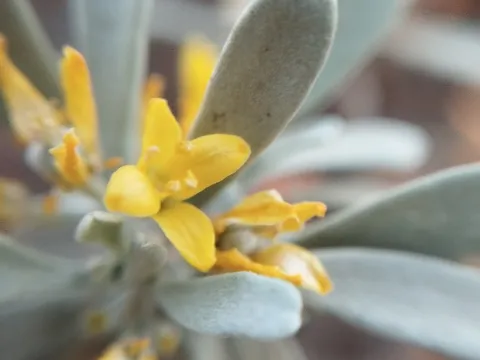
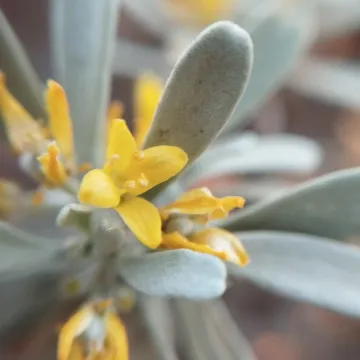
The botanical structure of this shrub is characterized by its compact habit and gray-green foliage. The "pulverulent" (powdery) appearance of its leaves is a strategic adaptation designed to reflect intense solar radiation and reduce transpiration. The flowers, typical of its lineage, are subtle yet functional components of its reproductive strategy in the wild.
Cultivation requirements for Cneorum pulverulentum are stringent, focusing primarily on replicating its natural rocky habitat. The soil must be exceptionally well-draining, preferably alkaline and gritty. Water management is critical; overwatering is the most common cause of mortality in cultivated specimens due to root rot sensitivity.
Key cultural practices include:
- Full sun exposure for optimal growth and foliage coloration.
- Strict irrigation control, allowing the soil to dry out completely between waterings.
- Use of inorganic, low-nitrogen fertilizers to maintain slow and stable growth.
- Placement in well-ventilated areas to prevent fungal issues.
In terms of usage, the plant serves as a unique ornamental feature in Mediterranean-style gardens. Pests such as spider mites or mealybugs can occasionally affect the shrub, especially if grown in confined or poorly ventilated greenhouse environments. Regular monitoring and appropriate horticultural practices are necessary to ensure the plant's long-term health.
Photo gallery