Cnidoscolus tubulosus
Cnidoscolus tubulosus
Description
Cnidoscolus tubulosus is a perennial plant species belonging to the Euphorbiaceae family. This plant is recognized for its unique physiological traits, including stinging trichomes on its stems and leaves, which serve as a natural defense mechanism against herbivores. It is a significant subject of study within the tropical botanical landscape.
The origin of this species is traced to the tropical regions of Central and South America. It typically thrives in humid forest environments and areas with moderate sunlight. Its cultivation is geographically constrained to tropical and subtropical zones, as the plant is highly sensitive to frost and low temperatures, which can be lethal to its biomass.
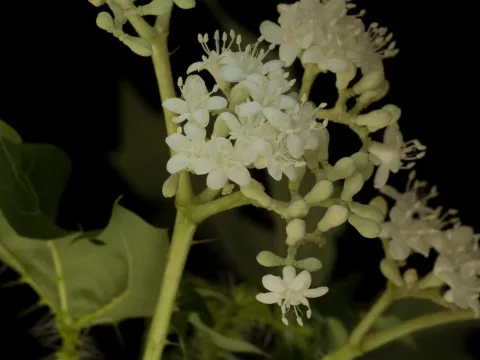
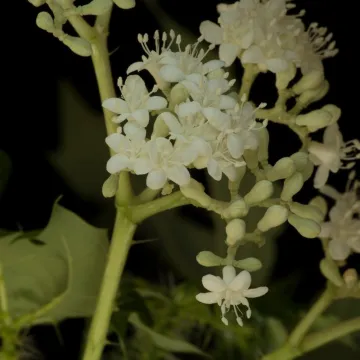
Botanically, the plant features distinct palmate leaves and tubular-shaped flowers, which are characteristic of its genus. It often grows as a woody shrub or a large herb. The seeds are of particular interest in agronomic research due to their potential oil content and chemical composition, which may be exploited in industrial or medicinal applications.
Agronomic management requires high-quality, well-draining soil with a balanced nutrient profile. The cultivation process involves consistent irrigation and protection from direct, intense midday sun in hotter climates. Soil enrichment with organic matter is recommended to ensure robust development and long-term yield productivity during the growing season.
Effective pest and disease management is critical for a successful harvest. Primary concerns include:
- Spider mite infestations that damage leaf tissue.
- Root rot caused by poor soil drainage or waterlogging.
- Aphid outbreaks occurring during the rapid vegetative growth phase.
- Powdery mildew development in environments with high humidity and poor air circulation.
Photo gallery