Codium bursa
Codium bursa
Description
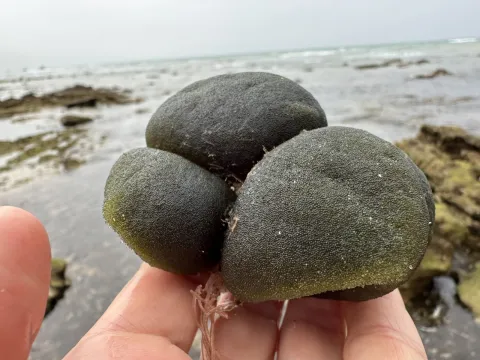
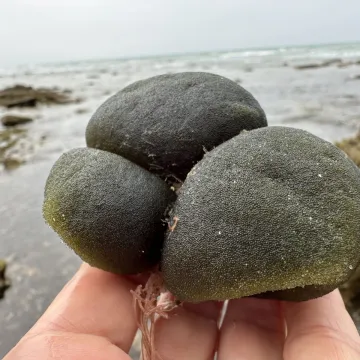
Codium bursa is a distinctive species of green seaweed belonging to the family Codiaceae. Commonly known as the sea sponge algae or sea ball, it is characterized by its unique spherical, sponge-like thallus. The thallus consists of a complex network of branching filaments that provide both structural integrity and buoyancy in aquatic environments.
Native primarily to the Mediterranean Sea and the eastern Atlantic Ocean, Codium bursa prefers rocky substrates at depths ranging from shallow coastal zones to deeper offshore reefs. It thrives in well-oxygenated waters where high light transparency supports efficient photosynthesis, allowing the algae to form dense populations in suitable benthic habitats.
Biologically, the organism is a coenocytic alga, meaning its thallus functions as a single, large multinucleate cell. This specialized structure allows for efficient nutrient uptake directly from the surrounding water. The sponge-like nature of the plant also provides a microhabitat for various small marine invertebrates, creating a symbiotic-like balance within the ecosystem.
In aquaculture, the cultivation of Codium bursa requires precise control over water quality, particularly salinity levels and mineral nutrient concentrations. Optimal growth is achieved in high-flow systems that mimic natural ocean currents, preventing the accumulation of waste products and ensuring that the thallus remains free of excessive sediment accumulation or epiphytic growth.
Industrial applications for Codium bursa include several key areas:
- Extraction of bioactive compounds for the pharmaceutical and nutraceutical sectors.
- Utilization as a sustainable source of phycocolloids for food technology.
- Monitoring of marine environmental health and water quality assessment.
Diseases and pests primarily include fungal infections and bacterial pathogens that target the thallus structure, often leading to rapid decomposition of the sponge-like tissues. Effective management in a controlled environment involves strict quarantine measures for new stocks, consistent water filtration, and the maintenance of optimal light and temperature parameters to bolster the immune response of the algae.
Photo gallery