
Codonopsis javanica
Codonopsis javanica (Blume) Hook. f.
Description
Codonopsis javanica (Blume) Hook. f. is a perennial climbing herb belonging to the Campanulaceae family. It is widely recognized as a significant medicinal crop, primarily valued for its fleshy roots, which are used in traditional medicine for their adaptogenic and health-promoting properties.
The plant originates from the mountainous regions of Southeast and East Asia, including countries such as China, Vietnam, and Indonesia. In its native habitat, it thrives in forest margins and river valleys, preferring environments with consistent moisture and protection from intense, direct solar radiation.
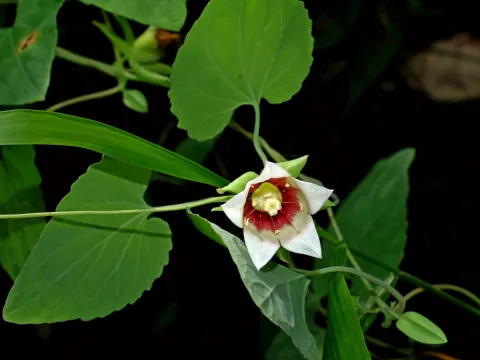
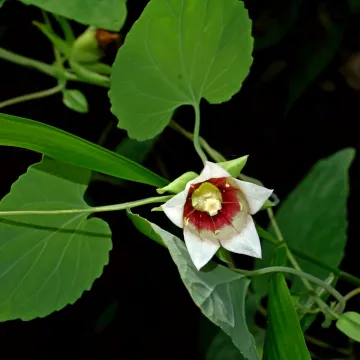
Botanically, it is a herbaceous vine featuring twining stems that can reach substantial lengths. Its leaves are generally ovate and slightly pubescent. The plant produces unique bell-shaped flowers with greenish-yellow or white petals, often accented with purple markings. The root system is the economically valuable part, often developing into long, thick, cylindrical structures.
Successful cultivation requires a climate that offers moderate temperatures and high humidity levels. The soil must be loose, well-drained, and rich in organic matter to support the development of the tuberous roots. Standard agricultural practices include installing trellises or supports for the vines, as vertical growth is essential to maintain optimal airflow and prevent fungal diseases.
Managing the health of Codonopsis javanica involves constant monitoring for potential threats. Root rot remains the most serious disease, usually caused by poor drainage or excessive soil moisture. Pests such as aphids and spider mites can infest the foliage, requiring integrated pest management strategies. The roots are typically harvested after several years of growth to ensure maximum concentration of bioactive compounds.
Photo gallery