Codonopsis lanceolata
Codonopsis lanceolata (Siebold & Zucc.) Trautv.
Description
Codonopsis lanceolata is a perennial climbing herbaceous plant belonging to the Campanulaceae family. Known in traditional medicine as a vital herbal source, it is increasingly cultivated as a specialized agricultural crop for its fleshy, nutrient-dense roots. The plant is prized for its adaptogenic properties and unique culinary applications in various Asian cuisines.
The native distribution of this species spans across East Asia, including China, Korea, Japan, and parts of the Russian Far East. To thrive, the crop requires temperate climates with well-distributed rainfall. Ideal soil conditions include loose, fertile, and well-drained loam or sandy soils. Proper site selection is crucial, as the plant demands deep, friable soil to allow for the optimal development of its taproot system.
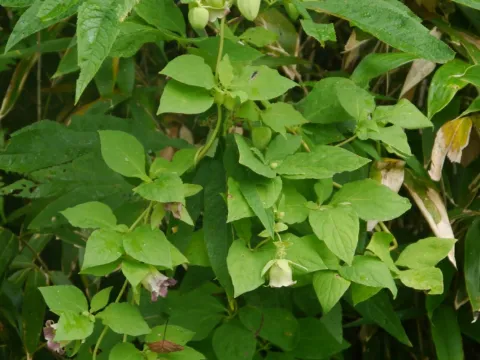
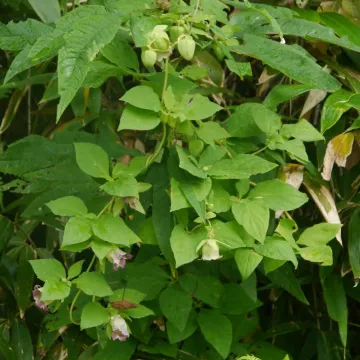
Botanically, it is a vigorous climber requiring trellis systems for vertical support, which significantly improves air circulation and photosynthetic efficiency. The leaves are lanceolate, and the flowers display a characteristic bell shape with a distinct color palette ranging from greenish-yellow to purple. Propagation is typically performed via seeds, requiring a stratified approach or specific sowing timing to ensure high germination rates.
Agronomic management involves consistent irrigation, moderate organic fertilization, and weed control, which is essential during the establishment phase. The plant is susceptible to root rot if drainage is insufficient, and pests such as aphids or spider mites can affect the foliage. Managing these issues requires a balanced approach, often emphasizing preventative cultural practices and IPM (Integrated Pest Management) protocols.
The agricultural value of Codonopsis lanceolata lies in its diverse applications. The roots are harvested for their richness in saponins, inulin, and various alkaloids. Typical uses include:
- Culinary ingredient in fermented or stir-fried dishes.
- Raw material for herbal tea and extracts.
- Active component in nutritional supplements and health tonics.
Photo gallery