Collomia grandiflora
Collomia grandiflora
Description
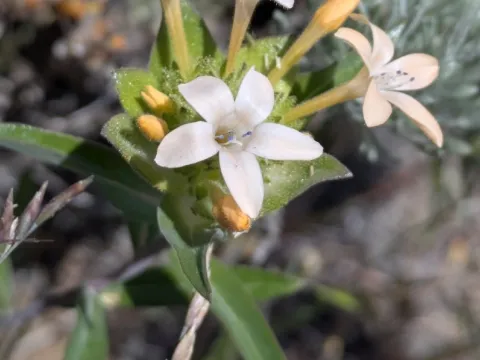
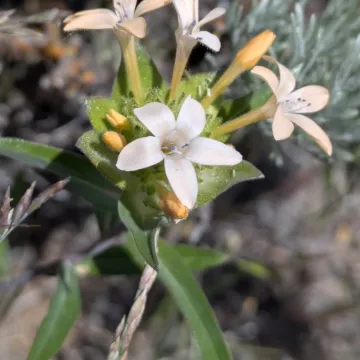
Collomia grandiflora, commonly known as large-flowered collomia, is an annual herbaceous plant belonging to the Polemoniaceae family. It is recognized for its unique, dense clusters of tubular flowers and is highly valued in both ornamental horticulture and native plant gardening for its distinct aesthetic and resilience.
The plant originates from the western regions of North America, where it typically thrives in open, sun-drenched habitats, such as rocky slopes and clearings. Its natural adaptation to these environments makes it a hardy choice for various garden settings, especially where drought-tolerant, low-maintenance vegetation is desired.
Botanically, this species develops a single or branched stem that can reach heights of up to 70 centimeters. Its foliage is lance-shaped and arranged alternately along the stem. The inflorescences are the most striking feature, appearing as dense, terminal heads packed with attractive salmon-colored or yellowish tubular flowers that bloom steadily throughout the growing season.
For successful cultivation, Collomia grandiflora requires well-draining, moderately fertile soil and a location with full sun exposure. While the plant is drought-tolerant once established, it does not perform well in waterlogged soil. Agricultural management involves early spring sowing, thinning the seedlings to ensure adequate airflow, and regular weeding during the early stages of growth.
The primary use of the plant is in garden landscapes, particularly in rock gardens, meadows, and mixed flower borders. It is also an excellent choice for attracting pollinators to the area. Regarding phytosanitary issues, the plant is susceptible to root rots if overwatered, and occasional infestations of aphids can be managed through cultural practices or specific biological control methods.
Photo gallery