Collomia linearis
Collomia linearis
Description
Collomia linearis, commonly known as narrow-leaf collomia, is an annual herbaceous plant belonging to the Polemoniaceae family. In an agricultural context, it is recognized as a resilient species that occupies niche habitats, often used in ecological restoration and wildflower seed production.
The plant is native to North America, spanning a wide range of habitats across the continent. Its natural distribution suggests a high degree of adaptability to diverse environmental conditions, including prairie lands, disturbed soils, and open woodlands, which makes it a viable candidate for landscape restoration.
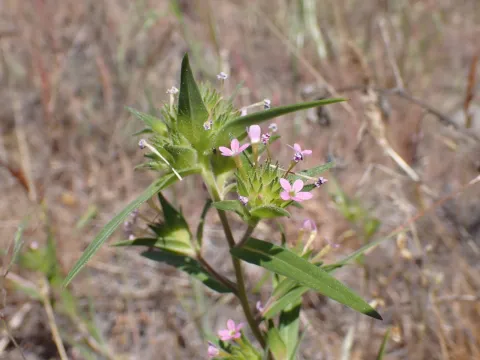
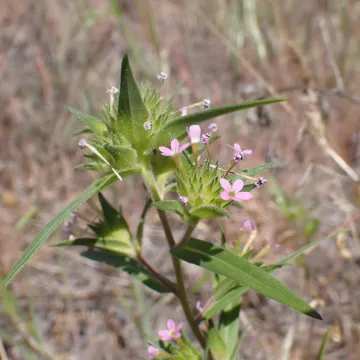
Botanically, the species is characterized by its erect, simple or branched stems that can grow up to 50 centimeters tall. The leaves are characteristically linear or lanceolate, while the flowers are arranged in terminal, head-like clusters, varying in color from light pink to a deep violet-purple, typical for the genus.
The cultivation of Collomia linearis requires full sun exposure and well-draining, moderately fertile soil. It is highly efficient in terms of water usage, making it suitable for low-maintenance areas. Proper field preparation, involving the removal of competing weeds during the early establishment phase, is essential for high yields.
In terms of economic use, the crop serves primarily in biodiversity-focused farming, supporting local pollinator populations. While it faces minimal pressure from major pests, cultivators should monitor for aphid infestations and fungal pathogens, such as powdery mildew, which can develop in overcrowded or poorly ventilated fields.
- Strong potential for ecological land management.
- High seed production rates under optimal conditions.
- Resilient against periodic dry spells during the vegetative stage.
Photo gallery