Colubrina glandulosa
Colubrina glandulosa
Description
Colubrina glandulosa is a significant tree species belonging to the Rhamnaceae family. Known for its robust growth habit and ecological adaptability, this plant serves as a vital component in the tropical forest ecosystems of Central and South America, where it contributes to biodiversity and soil stabilization.
The origin of this species is primarily traced to the tropical zones of Brazil and neighboring countries. It is found in diverse habitats, ranging from moist evergreen forests to seasonal deciduous woodlands. Its natural distribution demonstrates an evolutionary adaptation to varying levels of rainfall and soil moisture availability.
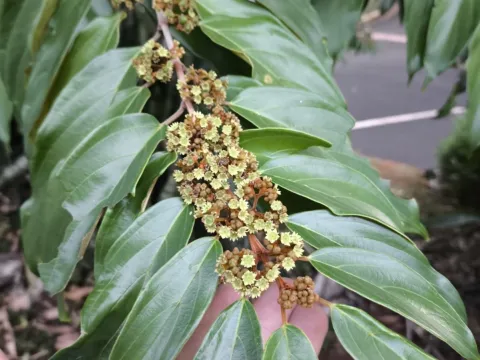
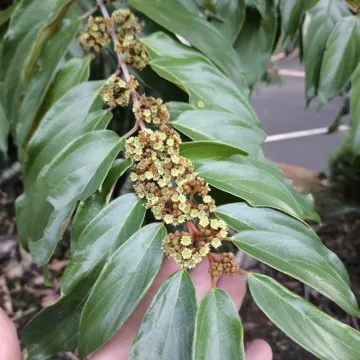
Botanically, Colubrina glandulosa is distinguished by its unique glandular leaves and a dense, branching structure. The species produces small, inconspicuous flowers that attract various pollinators, followed by seed-bearing capsules. Its root architecture is deep and expansive, allowing the tree to thrive in challenging terrain.
Agricultural and forestry management for this species requires attention to light exposure and soil drainage. While it is considered hardy, initial establishment in plantation settings requires proper spacing and weed control to ensure optimal nutrient uptake during the juvenile stage. It is frequently utilized in silvicultural practices for its ability to regenerate degraded tropical soils.
The economic and practical applications of this tree are broad:
- Timber production for construction and furniture manufacturing.
- Reforestation of degraded forest lands and riparian buffer zones.
- Potential use in agroforestry systems to provide shelter for crops.
- Supporting biodiversity by serving as a host for various pollinating insect species.
Common health issues include fungal infections that may target the root system in waterlogged conditions and localized infestations of wood-boring insects. Sustainable management requires regular monitoring of sapling health and strict adherence to silvicultural standards, ensuring that environmental conditions mimic natural forest gaps for healthy development.
Photo gallery